
-
Obasanjo stopped Gaddafi from bringing a consignment of AK-47 rifles and sophisticated weapons into Nigeria in November 2006.
-
Fani-Kayode says the Libyan leader arrived with about 200 bodyguards and a 100-vehicle convoy loaded with weapons.
-
Gaddafi reportedly threatened to return to Libya after Nigerian troops repeatedly blocked his convoy at the airport.
-
Obasanjo insisted that the weapons be returned to the aircraft, citing concerns over their possible transfer to local arms dealers and criminal groups.
November 26, (THEWILL) – Former President Olusegun Obasanjo stopped the late Libyan leader, Muammar Gaddafi, from turning Nigeria into an arms dump in November 2006, insisting that a consignment of AK-47 rifles and other sophisticated weapons accompanying his delegation be returned to the aircraft before his convoy could proceed to Abuja.
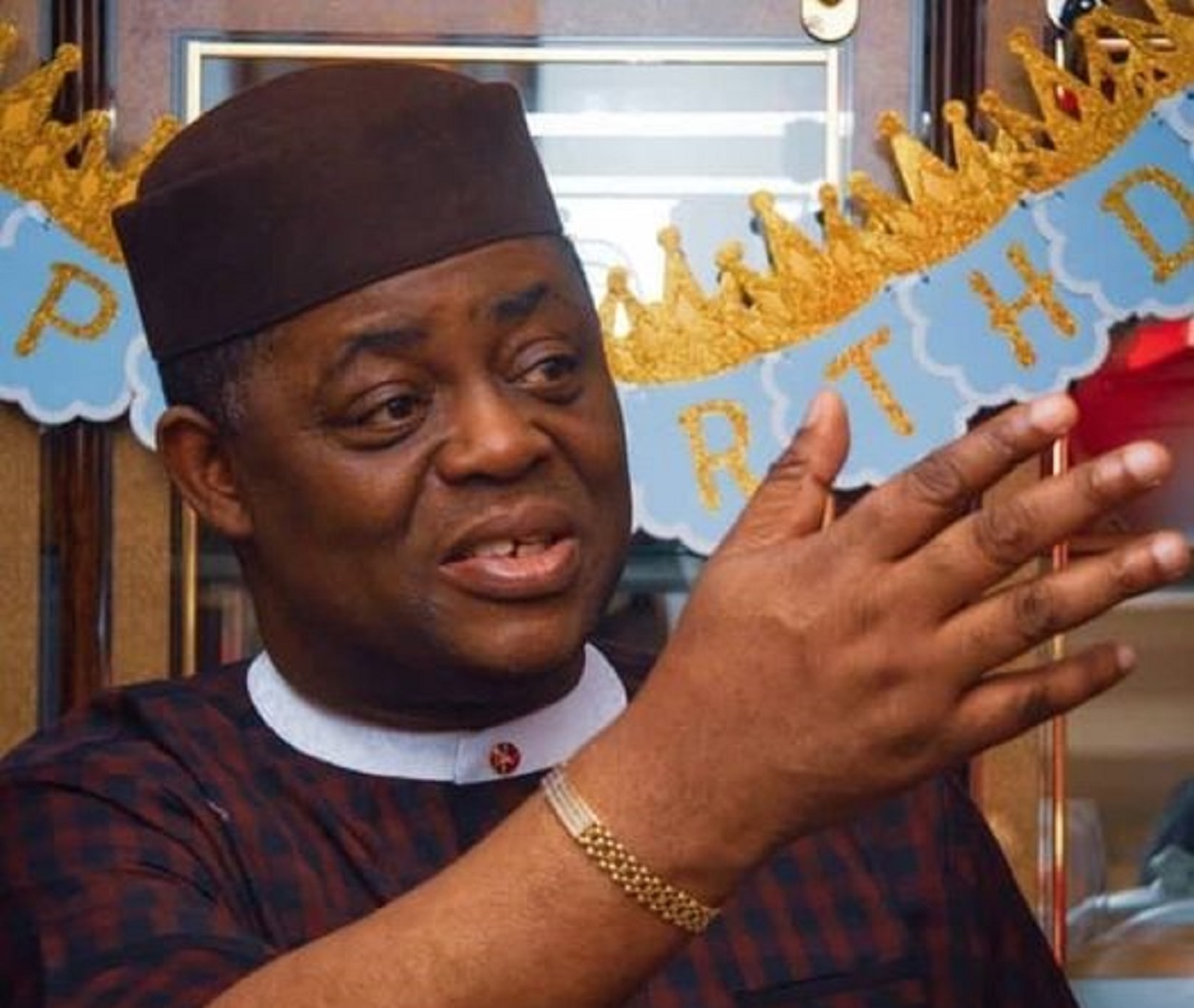
Former Aviation Minister, Femi Fani-Kayode, who disclosed the incident in a detailed account marking the 20th anniversary of Gaddafi’s visit, said the former Nigerian president stood firm despite threats by the Libyan leader’s officials to abandon the African and South American Heads of State Summit and return to Libya.
Fani-Kayode, who was Minister of Aviation under Obasanjo, said he personally received Gaddafi at the airport on November 26, 2006, on behalf of the former president and was assigned to accompany the Libyan leader throughout his four-day visit.
According to him, Gaddafi arrived with approximately 200 bodyguards, three aircraft and at least 100 vehicles, which had been sent ahead to convey him and his delegation to Abuja.
He disclosed that the boots of the vehicles were loaded with AK-47 rifles and other sophisticated weapons transferred from one of the aircraft.
The weapons immediately became a source of confrontation when Nigerian security operatives and military personnel blocked the convoy at the airport gate.

Fani-Kayode said the security authorities informed the delegation that Gaddafi, his officials and bodyguards could enter Nigeria with their personal sidearms, but the high-powered weapons loaded into the vehicles would not be permitted into the country.
Libyan Leader Threatens to Walk to Abuja
Recounting the tension that followed, Fani-Kayode said he was in the vehicle with Gaddafi and had the responsibility of explaining Nigeria’s position to him through an interpreter.
He said the convoy attempted to leave the airport three times but was blocked on each occasion, with tempers rising between the Libyan delegation and Nigerian officials.
The situation, he recalled, escalated dramatically when Gaddafi lost his temper, stepped out of his vehicle and began walking towards Abuja under the scorching sun, declaring that he would proceed on foot if his convoy was not allowed through.
All 200 of his bodyguards and other delegation members followed him.
Fani-Kayode said he walked alongside the Libyan leader, desperately appealing to him to return to the airport because of the intense heat and his visibly deteriorating physical condition.
He recalled that Gaddafi was sweating profusely and panting, raising fears that he could collapse during the walk.
With his appeals proving unsuccessful, Fani-Kayode said he contacted Obasanjo, who informed him that he was on his way to the airport to catch a flight to Lagos for an official engagement.
The former president instructed him to tell Gaddafi that he was coming to resolve the disagreement personally and persuaded the Libyan leader to return to the airport. Gaddafi eventually agreed after receiving the message.
Obasanjo’s Secret Instruction: No Weapons, No Entry
Fani-Kayode said Obasanjo and Gaddafi exchanged warm greetings and embraced when the former president arrived at the airport.
According to him, Obasanjo apologised to the Libyan leader over the incident and assured him that the airport gates would be opened immediately.
However, the former minister disclosed that the former president gave him a different instruction as he was leaving.
He said Obasanjo bent towards him and whispered that under no circumstances should Gaddafi and his delegation be allowed to proceed unless they agreed to remove the AK-47 rifles and other heavy weapons from the vehicles and return them to the aircraft.
The former president subsequently left for Lagos, leaving Fani-Kayode to enforce the directive.
Fani-Kayode said the decision triggered another heated confrontation with Gaddafi’s Minister of National Security and Head of Protocol, whom he accused of being disrespectful to Nigerian security officers, military personnel and officials of the Ministry of Foreign Affairs.
The Libyan officials threatened to fly Gaddafi back to Libya immediately and boycott the entire summit if Nigeria refused to allow the weapons into Abuja.
But Fani-Kayode said he remained firm, insisting that the weapons must be removed in compliance with the Nigerian authorities’ directive.
He said the Libyan delegation eventually complied, with the AK-47 rifles and other sophisticated weapons taken out of the vehicles and returned to the aircraft.
Nigerian soldiers were subsequently deployed around the aircraft to ensure that the weapons were not removed again.
The convoy was allowed to proceed only after the exercise had been completed.
READ ALSO:
Security Implications of Arms Shipment
Explaining why Obasanjo was determined to prevent the weapons from entering the country, Fani-Kayode alleged that he was later informed during a Federal Executive Council meeting that Libyan officials had previously brought weapons into Nigeria, handed them over to local associates and left the country without the arms.
He said those weapons eventually became part of stockpiles that provided an arsenal for terrorists, insurgents and other ruthless non-state actors operating within Nigeria.
According to him, Obasanjo’s intervention prevented a similar situation from recurring and demonstrated the importance of protecting the country’s territorial security, irrespective of the diplomatic standing of visiting foreign leaders.
Fani-Kayode commended the Nigerian military and security agencies for implementing the president’s directive despite the pressure and threats from the Libyan delegation.
He said the episode taught him important lessons about diplomacy, particularly the need for firmness, mutual respect and strict adherence to established rules of engagement.
He also praised Obasanjo’s handling of the situation, describing the former president’s intervention as an example of wisdom, strength and courage.
The former minister said Nigeria’s refusal to compromise ultimately earned the country considerable respect from Gaddafi and his delegation.
Gaddafi Became Close to Fani-Kayode After Showdown
Despite the tense beginning to the visit, Fani-Kayode said his relationship with Gaddafi improved considerably during the remaining days of the summit.
He described the former Libyan leader as an extraordinary and charismatic personality who genuinely loved Africa, adding that his perception of Gaddafi changed after spending four days in his company.
According to him, Gaddafi became particularly friendly towards him and eventually invited him to Libya as his personal guest.
Fani-Kayode recalled that the Libyan leader’s only complaint about him during the visit was his decision to wear suits throughout the four days instead of traditional Nigerian attire, such as agbada or babariga.
He also recounted that Gaddafi remained largely silent during their journey from the airport to Abuja after the confrontation, speaking only when their convoy passed the National Mosque, which he admired.
Fani-Kayode Recalls Gaddafi’s Violent Death
Fani-Kayode also reflected on Gaddafi’s death on October 20, 2011, when the former Libyan leader was captured and killed by fighters opposed to his government in his hometown of Sirte.
He said he watched footage of the killing on CNN and was deeply saddened by the circumstances surrounding the former leader’s death.
The former minister recalled that the Head of Protocol who had aggressively defended Gaddafi’s demand to bring the weapons into Nigeria and threatened to return him to Libya during the 2006 airport confrontation was later among those condemning the Libyan leader during television coverage of his death. He said the development left a lasting impression on him.
Gaddafi ruled Libya for 42 years after taking power in a military coup in 1969.
His government collapsed during the 2011 uprising against his administration, which developed into a civil war and culminated in his capture and killing in Sirte on October 20, 2011.
Fani-Kayode’s account revisits the November 2006 diplomatic confrontation, highlighting Obasanjo’s insistence that Nigeria’s security regulations must be respected, even by a powerful foreign leader attending an international summit.
Felix Ifijeh is a journalist with years of professional reporting experience. Known for his keen news sense, compelling storytelling and commitment to accurate, impactful reporting, he has built a reputation for turning leads into clear, engaging, and well-structured reports that resonate with readers. His work reflects deep newsroom experience and a commitment to accurate, impactful journalism.