
-
NSIA, Africa50 and Sustainable Energy for All launch the $300m Nigeria Distributed Renewable Energy Fund.
-
The fund will support mini-grids and standalone solar systems for underserved communities and businesses.
-
Investment outcomes will depend on how effectively the fund converts financing into new electricity connections and reliable power supply.
October 26, (THEWILL) – The Nigeria Sovereign Investment Authority, Africa50 and Sustainable Energy for All have commercially launched a $300m fund to finance distributed renewable energy projects across Nigeria, targeting underserved communities and businesses with limited access to reliable electricity.
The Nigeria Distributed Renewable Energy Fund is designed to mobilise capital for solutions including mini-grids and standalone solar systems, as Nigeria seeks to expand electricity access beyond areas adequately served by the national grid.
The launch was highlighted at the Africa Social Impact Summit’s inaugural Global Action Forum in New York, held on the sidelines of the 81st United Nations General Assembly.

Co-managed by NSIA and Africa50, the fund will receive energy-access leadership support from Sustainable Energy for All.
Its stated objective is to expand electricity access while supporting business activity and economic opportunities in communities where power supply remains inadequate.
However, the commercial launch is only an initial milestone.
The fund’s impact will ultimately depend on how much capital it deploys, the number of projects financed, the communities reached, and the reliability and affordability of the electricity delivered.
Mini-grids, solar systems targeted
The fund is expected to support distributed renewable energy projects serving households, small businesses and other users who need alternatives to unreliable or unavailable grid electricity.
Mini-grids can supply clusters of homes and businesses, while standalone solar systems can provide power to individual households, enterprises and essential services.
These solutions can reduce dependence on generators and improve access to electricity in underserved locations.
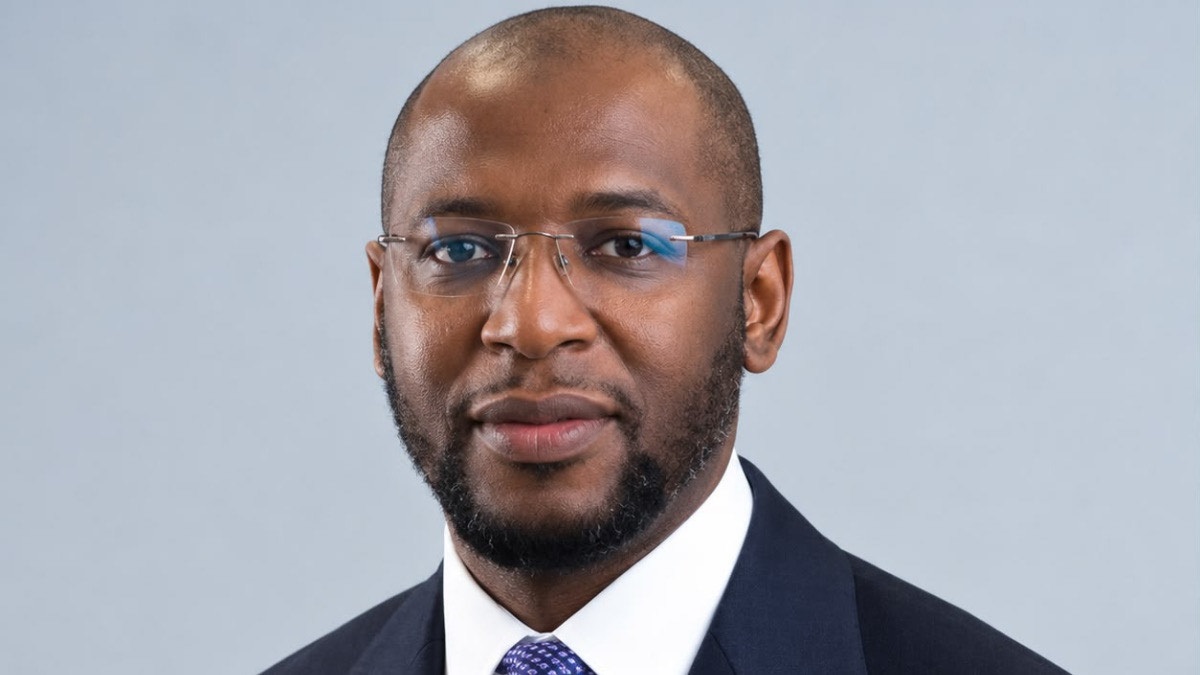
Yusuf Umar, managing director and chief executive of Renewables Investment Platform for Limitless Energy, an initiative launched by NSIA, said expanding energy access required financing structures capable of supporting viable solutions at scale.
He said the $300m fund represented a step towards mobilising capital for distributed energy, adding that effective implementation and collaboration would be necessary to expand access, support businesses and create economic opportunities.
The statement did not specify the fund’s deployment timeline, the number of expected electricity connections, its project pipeline or the financing terms available to developers.
These details will be important in assessing the scale of its contribution to Nigeria’s energy-access challenge.
READ ALSO:
Development financing linked to energy access

The launch formed part of discussions at the Africa Social Impact Summit Global Action Forum, convened by Sterling One Foundation in partnership with NSIA, the United Nations Population Fund, RALLY and other organisations.
The forum brought together representatives from government, business, finance, philanthropy, development institutions and civil society to discuss ways of financing development priorities across Africa.
Olapeju Ibekwe, chief executive of Sterling One Foundation, said the fund illustrated how partnerships could mobilise capital for practical solutions that respond to community needs.
She noted that reliable electricity could support businesses, improve essential services and strengthen livelihoods.
Beyond expanding connections, the fund’s performance will depend on whether projects can provide power at costs households and businesses can afford, attract additional private investment and remain financially viable over time.
Reliable electricity can also support health facilities, schools and other essential services, making energy access relevant to broader development goals.
For NSIA and its partners, the $300m fund provides a financing vehicle for distributed renewable energy. Its longer-term significance, however, will be measured by the projects delivered, the electricity supplied, and the economic benefits generated for the communities it serves.

Ogochukwu Onwaeze is a writer specializing in business and economic journalism. At THEWILL News Media, she translates market trends, financial developments, and policy shifts into clear and engaging stories.
