
-
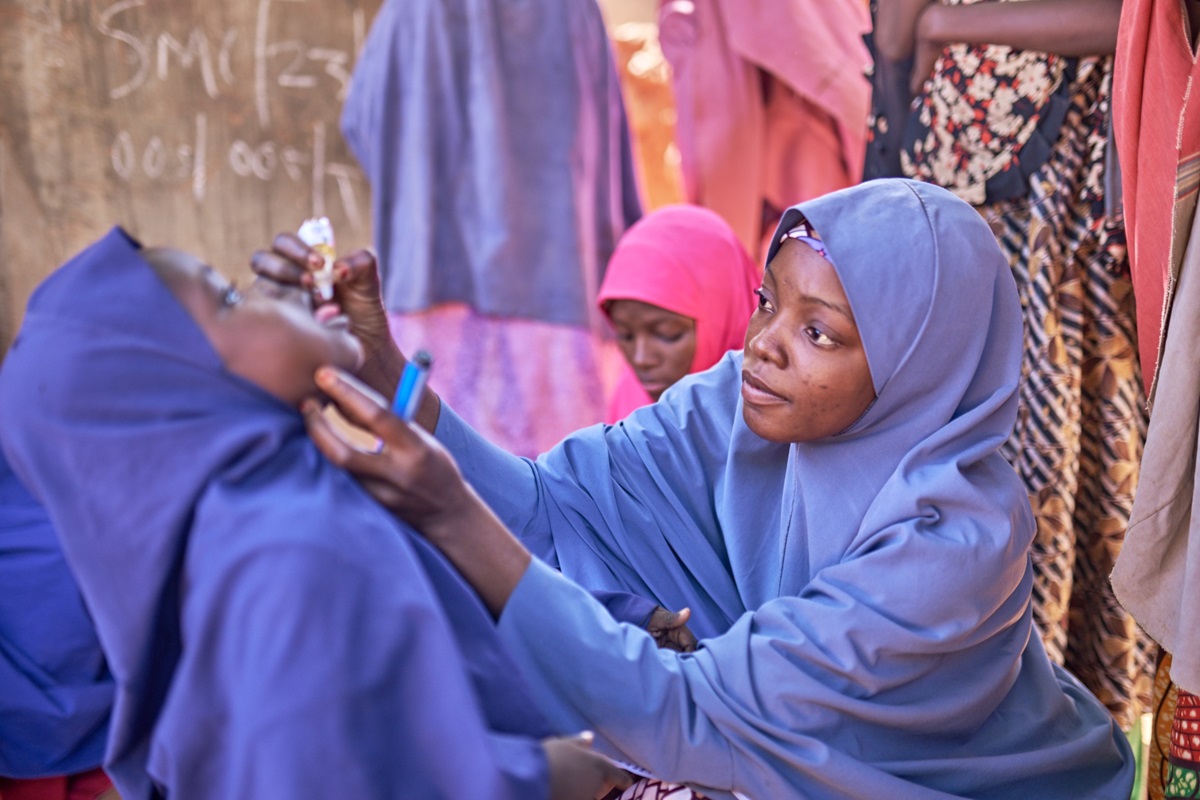
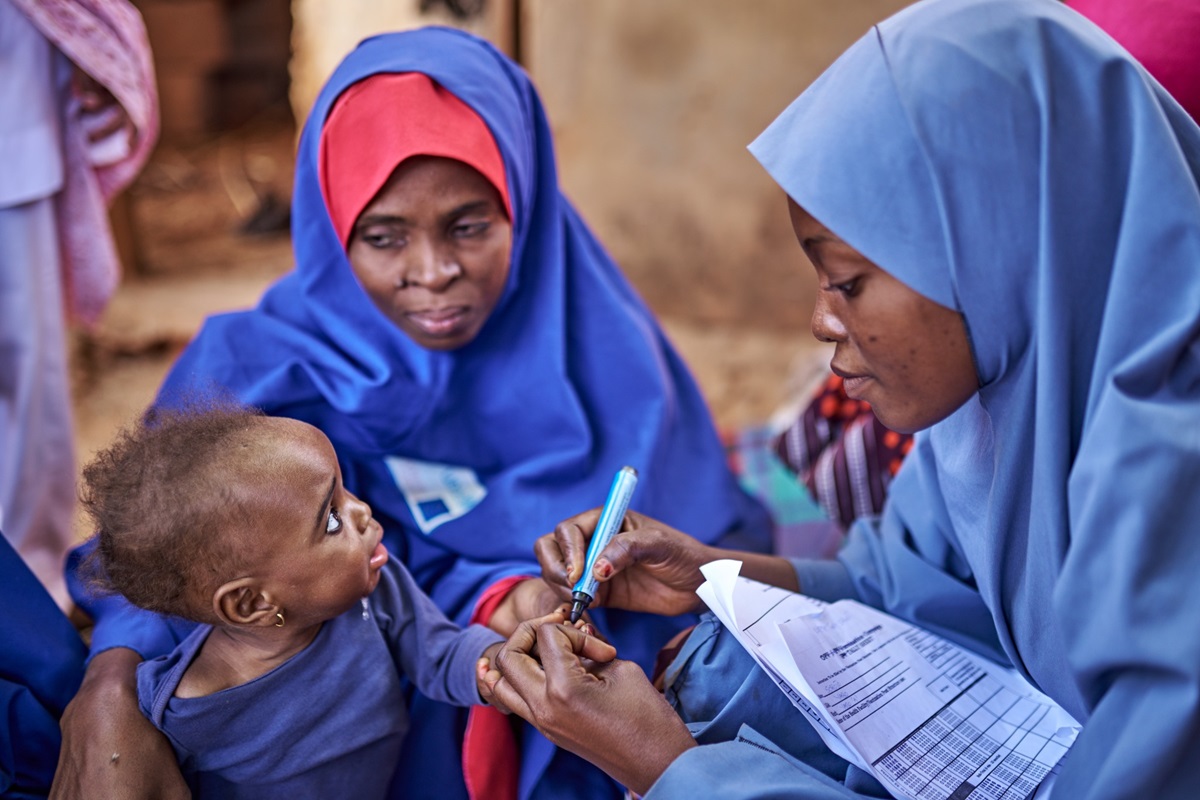
More than 23 million children were reached with vaccines across over 205,000 settlements in Nigeria in the first half of 2026.
-
Digital mapping tools supported 33,837 vaccination teams across 253 local government areas in 10 northern states.
-
Solar installations at primary healthcare centres generated 277,800 kWh of electricity and avoided an estimated ₦166 million in fuel costs.
-
eHealth Africa also expanded laboratory, disease-surveillance and emergency-response infrastructure across Nigeria and other African countries.
September 10, (THEWILL) – More than 23 million children were reached with vaccines against polio and other preventable diseases across Nigeria in the first half of 2026, as health programmes increasingly deployed digital mapping and renewable energy to improve access to services.
The vaccination campaigns, supported by eHealth Africa and its immunisation partners, covered more than 205,000 settlements, according to the organisation’s 2026 Mid-Year Report, Expanding Reach, Readiness and Resilience: Data-Driven Health Systems Across Africa.
The report said eHealth Africa expanded its PlanFeld digital mapping tool to 253 local government areas across 10 northern states, supporting 33,837 vaccination teams with digital microplans and maps designed to identify communities requiring immunisation services.

The technology was also used in four Lagos State LGAs during the Measles-Rubella campaign, where 1,980 digital maps were produced for vaccination teams.
In Sokoto State, the Vaccine Direct Delivery programme expanded the number of health facilities receiving vaccines from 351 to 407. About 3.41 million vaccine antigens were delivered during the period, according to the report.
Beyond immunisation, renewable energy investments at primary healthcare centres recorded an estimated ₦166 million in avoided fuel expenditure during the first six months of the year.
Under the Renewable Energy for Primary Health Care programme, supported by UNICEF, 238 primary healthcare centres across 12 states were solarised. Data from 226 remotely monitored facilities showed that they generated about 277,800 kilowatt-hours of solar electricity during the period, while avoiding an estimated 240 metric tonnes of carbon dioxide emissions.
Cumulative fuel-cost savings under the programme have exceeded ₦414 million since its inception, the organisation said.
READ ALSO:
 Atef Fawaz, Executive Director of eHealth Africa, said the results reflected the importance of combining government participation, community involvement and technology in strengthening healthcare systems.
“Our focus is not simply on deploying solutions, but on building systems that institutions can own, sustain, and continue to improve,” Fawaz said.
The organisation also reported expanding disease surveillance and diagnostic infrastructure, supporting 17 laboratories across 13 African countries and deploying its inventory management system to 18 laboratories. Five laboratories in Nigeria, Ghana, Zambia and Cameroon were upgraded during the period.
In Nigeria, 11 Emergency Operations Centres supported by the organisation hosted 546 emergency coordination meetings and 102 campaign-related meetings, while producing 74 public health scorecards for planning and performance monitoring.
 Its community medicine surveillance programme, Com-WATCH, also enrolled 2,512 surveillance actors across six locations, including the Federal Capital Territory, and trained 2,763 medicine vendors and other participants to monitor antibiotic availability and suspected substandard or falsified medicines.
eHealth Africa said its priorities for the second half of 2026 would include strengthening institutional ownership of deployed systems, completing ongoing investments and assessing whether improvements in health infrastructure are translating into more reliable services for communities.
Segun Adeyemi serves as the Associate Editor of THEWILL Newspaper, leveraging more than ten years of editorial expertise and a proven track record in mainstream journalism.
