
-
Switzerland confirms Nigeria’s index Ebola patient is the wife of a member of staff at its Abuja embassy, as questions persist over how she contracted the virus.
-
Swiss authorities say the couple travelled to Uganda but never visited the DRC, the epicentre of the Bundibugyo outbreak, leaving the infection route unresolved.
-
Nigeria traces 44 contacts while the patient’s husband remains in isolation without symptoms and authorities intensify measures to prevent community transmission.
-
Switzerland weighs repatriating the patient as the Bundibugyo outbreak spreads across four African countries, with more than 9,700 cases and 4,690 deaths recorded.
October 23, (THEWILL) – The mystery over the source of Nigeria’s first Ebola infection in the current African outbreak deepened on Friday after Switzerland confirmed that the index patient is a Swiss woman married to a member of staff at its embassy in Abuja, but said neither she nor her husband had travelled to the Democratic Republic of Congo (DRC), the epicentre of the epidemic.
The Swiss government also disclosed that it was considering repatriating the woman, who has been hospitalised at a private clinic in Abuja for about a week.
Nigeria announced its first confirmed case on Tuesday after the woman, who recently returned from Uganda, tested positive for Ebola Virus Disease. Laboratory tests subsequently identified the infection as the Bundibugyo species, the same species driving the deadly outbreak in the DRC.

At least 44 contacts have been identified as Nigerian health authorities intensify surveillance, quarantine and other containment measures.
In a statement on Friday, Switzerland’s foreign ministry identified the patient as “the wife of a Swiss member of staff” at its embassy in Abuja.
“The Swiss woman, who is symptomatic, has been hospitalised for about a week at a private clinic in Abuja,” the ministry said.
According to the ministry, the woman and her husband recently travelled together to Uganda and the infection may have occurred during the trip.
“The infection may have occurred during a trip to Uganda approximately two weeks ago,” it said.
Her husband has since been placed in isolation but has shown no symptoms.
“He accompanied his wife on the trip, during which she is believed to have contracted the Ebola virus,” the ministry said.
But in a disclosure that further complicates efforts to establish the infection chain, Switzerland said neither the patient nor her husband travelled to the DRC.
“Neither individual travelled” to the DRC, it said.
Source Of Infection Remains A Mystery
The Swiss government’s account adds another layer of uncertainty to an investigation already involving Nigerian authorities, the World Health Organisation (WHO) and the Africa Centres for Disease Control and Prevention (Africa CDC).
Although Nigerian authorities have classified the case as imported, precisely where and how the woman became infected remains unresolved.
The patient arrived in Abuja from Uganda and was reportedly asymptomatic on arrival before developing symptoms days later.
Previous accounts suggested she may have travelled to eastern DRC before transiting through Uganda. However, WHO and Africa CDC officials said they had received no verified information establishing that she had visited the DRC.
Switzerland’s latest statement goes further, maintaining that neither the woman nor her husband travelled there.
Ugandan authorities have also pushed back against suggestions that the infection originated in Uganda, arguing that the woman’s presence in the country does not establish where she contracted the virus.
The conflicting accounts have left health authorities attempting to reconstruct her movements and possible exposures.
The investigation assumed greater significance after Africa CDC disclosed that Nigeria’s index patient and Kenya’s first Ebola patient both departed Entebbe on October 3.
Officials are examining whether there was any encounter or epidemiological connection between the two patients.
Establishing the transmission route is considered crucial to identifying any potentially unidentified chains of infection and determining whether other travellers may have been exposed.
READ ALSO:
Switzerland Weighs Evacuation
Switzerland said it was considering the “potential repatriation of the patient” as consultations continue with Nigerian authorities and WHO. It did not indicate when a decision would be taken.
Any international medical evacuation of an Ebola patient would require stringent infection-prevention arrangements because the disease is transmitted through direct contact with infected blood and other body fluids.
Meanwhile, the patient’s husband remains in isolation despite showing no symptoms.
The Swiss foreign ministry said all 25 other members of staff at its Abuja embassy (eight Swiss nationals and 17 local employees), were doing well.
Following consultations with Nigeria’s health authorities and WHO, they have not been required to go into isolation.
Nigeria Traces 44 Contacts
Nigeria has stepped up containment measures since confirming the case, with 44 contacts initially identified for monitoring.
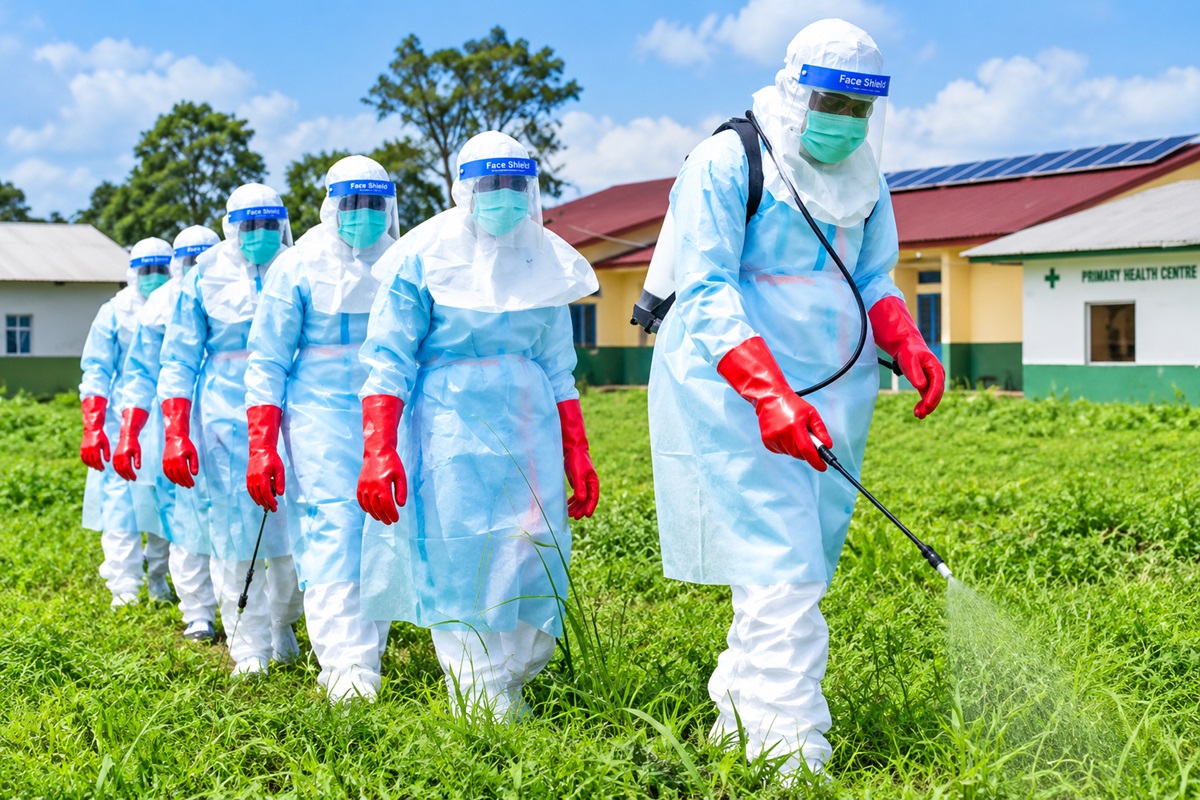
The Federal Government said high-risk contacts had been placed in quarantine at a designated facility, while other identified contacts were being monitored in line with established public health protocols.
The Nigeria Centre for Disease Control and Prevention (NCDC), in collaboration with the Federal Capital Territory Administration, has activated its incident management system.
Contact tracing has covered people at the hospital where the woman received treatment, her domestic contacts and individuals associated with another private medical facility she visited.
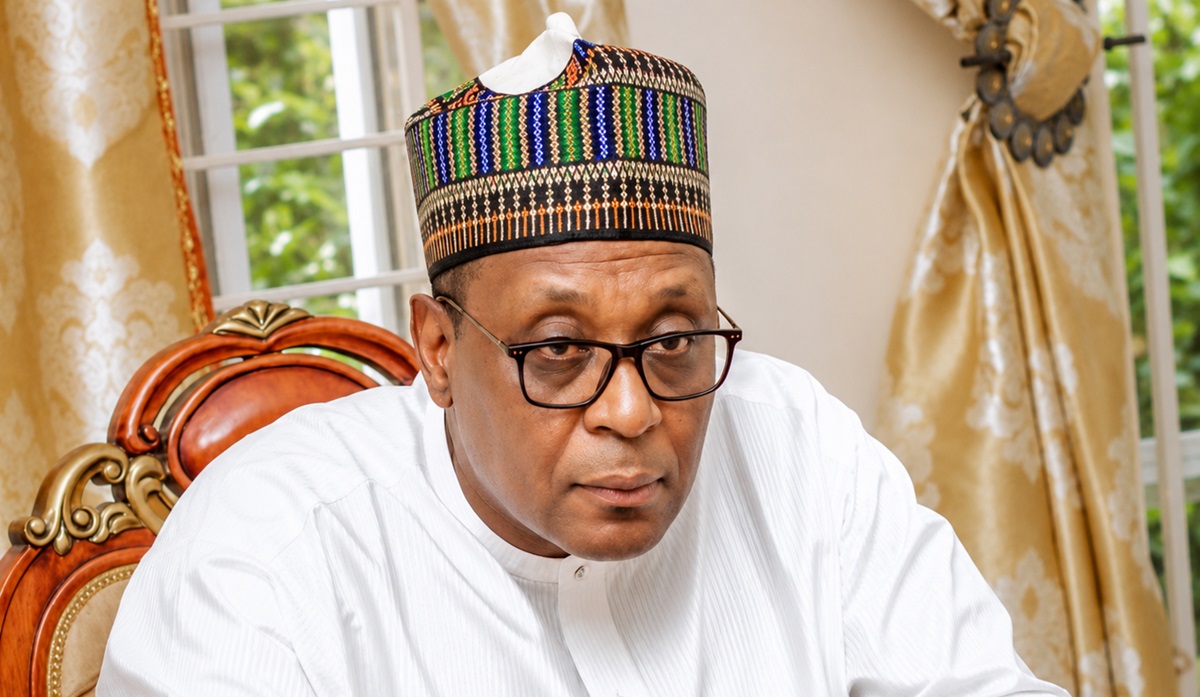
Coordinating Minister of Health and Social Welfare, Professor Muhammad Ali Pate, has stressed that there is no evidence so far of community transmission.
Pate also disclosed that the patient’s laboratory results were showing significant improvement, raising hopes of a full recovery.
“I spoke with the clinicians today, and I understand that the laboratory results show significant improvement. There is a possibility that she will recover fully. However, we cannot take anything for granted. We currently have one confirmed case, and our priority is to contain it and prevent transmission into communities or a wider outbreak,” the minister said.
The Federal Government has strengthened preparedness at federal hospitals and urged state governments to ensure adequate bed capacity, functional isolation facilities and strict infection-prevention measures.
Four African Countries Affected
Nigeria has become the fourth African country affected by the current Bundibugyo outbreak after the DRC, Uganda and Kenya.
The epidemic erupted in northeastern DRC in May and subsequently spread into neighbouring Uganda, where 20 confirmed cases, including two deaths, were recorded before the outbreak there was declared over in August.
Kenya has since recorded infections, adding to concerns over the ability of the virus to cross national borders through regional travel.
According to WHO figures as of October 20, the epidemic had surpassed 9,700 confirmed cases, including 4,690 deaths.
The scale of the outbreak and its expansion beyond the DRC have heightened concerns across the continent, particularly because there is currently no specific licensed vaccine or treatment for Bundibugyo virus disease.
Containment consequently relies heavily on rapid detection, isolation of infected patients, rigorous contact tracing, infection prevention and supportive clinical care.
WHO has warned that the spread into additional countries has created an increasingly “complex” outbreak landscape.
Background
Nigeria’s latest infection marks the country’s first confirmed Ebola case since the 2014 West African epidemic reached Lagos.
The 2014 outbreak in Nigeria began when Liberian-American traveller Patrick Sawyer arrived in Lagos while infected with Ebola.
His arrival triggered a chain of infections involving healthcare workers and other contacts, raising fears that the virus could spread through Africa’s most populous country.
Nigeria ultimately contained the outbreak through rapid isolation, intensive contact tracing, surveillance and infection-control measures. WHO declared the country Ebola-free in October 2014.
Twelve years later, Nigeria is confronting a different challenge: an imported Bundibugyo infection emerging in the middle of a large multinational outbreak.
While authorities insist there is currently no evidence of community transmission, the unresolved source of the infection remains a critical concern.
Felix Ifijeh is a journalist with years of professional reporting experience. Known for his keen news sense, compelling storytelling and commitment to accurate, impactful reporting, he has built a reputation for turning leads into clear, engaging, and well-structured reports that resonate with readers. His work reflects deep newsroom experience and a commitment to accurate, impactful journalism.
