-
Education Minister Tunji Alausa has revealed that NECO examination questions were allegedly obtained before examinations and sold for as little as N3,000, exposing the depth of malpractice threatening the credibility of Nigeria’s public examination system.
-
Alausa said the problem goes beyond students, alleging that parents, school proprietors, teachers, principals and invigilators can become part of a system that gives candidates access to examination materials before they sit for the papers.
-
The minister recalled that during the 2025 examination period, questions allegedly obtained before scheduled papers were repeatedly sent to him, with officials sometimes confirming that the leaked questions were actually those meant for the day.
-
The Federal Government is tightening examination controls, including serialised questions, to block leakages and ensure that results reflect genuine learning while protecting students who prepare and compete honestly.
September 04, (THEWILL) — The Federal Government has uncovered what it described as deep-seated corruption in Nigeria’s public examination system, with the Minister of Education, Dr Tunji Alausa.
He revealed that National Examinations Council questions were allegedly obtained and sold for as little as N3,000 before candidates sat for the examinations.
Alausa made the shocking disclosure on Thursday while meeting with the National Association of Proprietors of Private Schools and other stakeholders in the education sector, describing the level of examination malpractice in the country as “mind-boggling.”

According to Alausa, the practice has been tolerated for years, creating an environment in which students who study and prepare genuinely for examinations are placed at a disadvantage against candidates who have access to leaked questions.
Alausa said the scale of examination malpractice had become so entrenched that it threatened to corrupt even students who ordinarily would not cheat.
“It’s sad. Before she and I came, the acceptance of examination malpractice, cheating and examination leakages in this country was mind-boggling, and the country accepted it. It was a nightmare,” he said.
The minister warned that the consequences could be more damaging than inflated examination scores, arguing that widespread cheating creates an unfair competition that could eventually force honest students to join the practice.
He said a hardworking student preparing to gain admission into a university could find himself competing against another candidate who had obtained examination materials in advance.
According to him, such an environment could gradually destroy the culture of hard work and academic integrity.
“The danger was that the good students would also become bad,” Alausa said.
He explained that even highly disciplined students could be tempted to cheat when they realised that their competitors were gaining an unfair advantage through leaked examination materials.
How Questions Were Allegedly Sold For N3,000
The minister, while recounting his experience in the fight against examination malpractice, alleged that examination questions had previously been available for purchase before candidates sat for their papers.
Alausa referred to a former NECO Registrar, Dantani Wushishi, while explaining how a name associated with him was allegedly used to identify a platform where examination questions could be obtained.
“The Registrar of NECO at the time had a name. His name was Wushishi. You would go to Wushishi… I didn’t know that Wushishi meant going to the dark website.
“They bought his question for N3,000. That was it. Before the examination. They called him Wushishi and bought the questions for N3,000 before the examination,” he said.
Alausa also recounted what he described as an extremely difficult period during the 2025 examination season, saying he was repeatedly confronted with examination questions allegedly obtained before candidates sat for their papers.
According to the minister, he received questions in subjects including English and Chemistry and was forced to verify whether the materials being circulated were genuine.
“And the answer I got was, ‘Unfortunately, that’s the question we’re doing today,’” he said.
Alausa said the development required officials to adopt a more aggressive intervention strategy because they were receiving examination questions before the papers were conducted and could independently verify their authenticity.
‘Students Are The Smallest Players’
The education minister rejected the practice of blaming students alone for examination malpractice, saying the wider education ecosystem must be held responsible.
He identified parents, school owners, teachers, principals and invigilators as key actors who should protect the integrity of examinations but could, in cases of connivance, facilitate malpractice.
“You might be in that isolated school, but the school system is also involved. In fact, I don’t blame the students that much.
“Any child can be bad. But when we have an ecosystem where parents, schools, teachers, invigilators and principals are in full connivance, the students are the smallest players. The people who should put the deterrents in place are the ones involved,” Alausa said.
READ ALSO:
FG Moves To Tighten Examination System
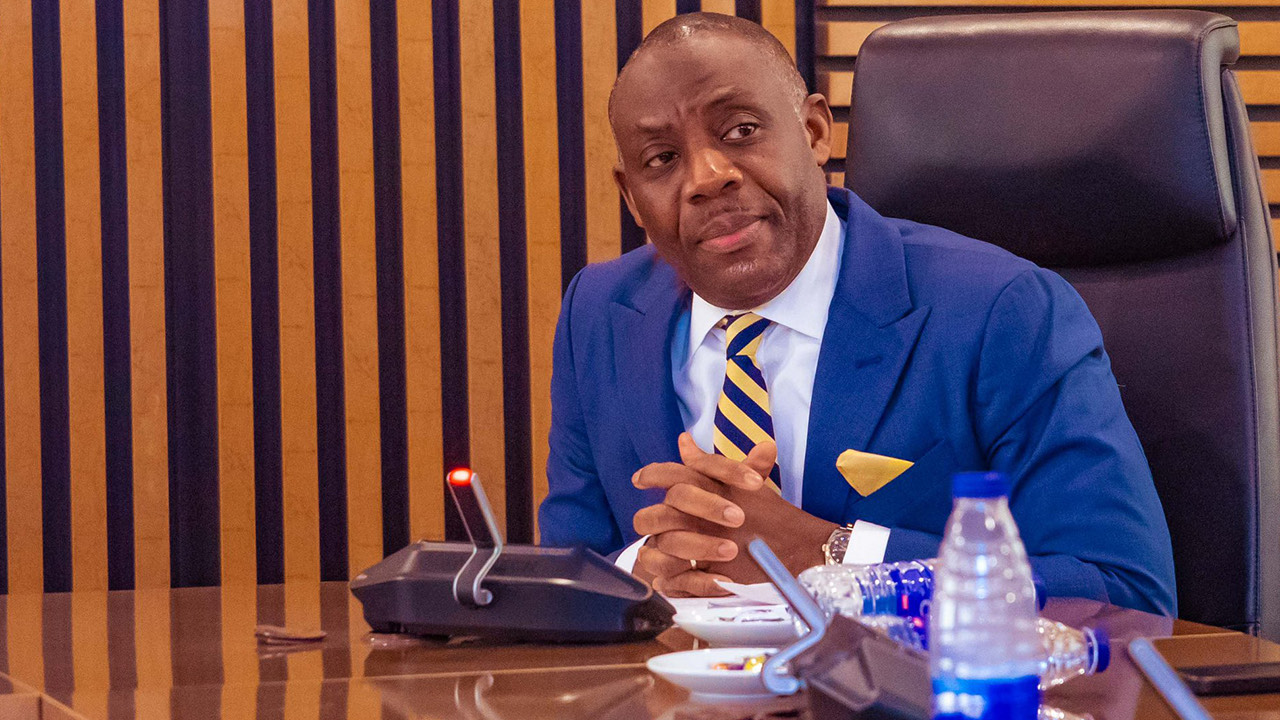
Alausa said the Federal Government would strengthen measures designed to protect the credibility of public examinations and ensure that certificates represent genuine academic achievement.
He said Nigeria could no longer afford a system in which examination results were influenced by access to leaked questions rather than preparation and knowledge.
“What are we doing? Desecrating the Nigerian system? It won’t happen. Not under the watch of this President. This is a country with the rule of law. President Bola Ahmed Tinubu is transforming this country in a way that’s never been transformed before.
“This is Nigeria’s renaissance that we’re building to be sustainable into the future,” the minister said.
Alausa said the country had tolerated practices capable of destroying its education system for too long, but insisted that the present administration was determined to reverse the trend.
Serialised Questions To Block Leaks
The Minister of State for Education, Prof Suwaiba Ahmad, separately urged private school proprietors and other stakeholders to support the reforms.
Ahmad said tighter examination controls could initially expose weaknesses among some students whose previous strong performances might not have reflected their actual academic preparation.
She explained that some students could appear to perform exceptionally well in internal examinations because they had become accustomed to obtaining examination questions ahead of time.
The introduction of serialised examination questions, she said, would make it more difficult for candidates to rely on leaked materials.
Under the approach, candidates would receive different versions or sequences of questions, making organised distribution of a single leaked paper more difficult and reducing the usefulness of advance access to examination materials.
Ahmad also urged schools to complete their curricula on schedule and encourage students to study consistently rather than depend on malpractice.
She assured private education stakeholders that the Federal Ministry of Education would continue engaging them during the implementation of the reforms.
Felix Ifijeh is a journalist with years of professional reporting experience. Known for his keen news sense, compelling storytelling and commitment to accurate, impactful reporting, he has built a reputation for turning leads into clear, engaging, and well-structured reports that resonate with readers. His work reflects deep newsroom experience and a commitment to accurate, impactful journalism.