
-
NCAA signs agreement with Firstway FZE and GSDS to implement a Pre-Loading Advance Cargo Information system.
-
The system will initially cover inbound air cargo and assess shipment information before loading.
-
The initiative comes alongside plans by Customs to deploy cargo scanners at Abuja airport.
August 28, (THEWILL) — The Nigeria Civil Aviation Authority (NCAA) has signed a Memorandum of Understanding with Firstway FZE and Global Software & Digital Solution (GSDS) to implement a Pre-Loading Advance Cargo Information (PLACI) system for air cargo in Nigeria.
The agreement, signed on Thursday, establishes a framework for deploying the system, onboarding relevant stakeholders and assessing its operation.
The system will initially focus on inbound air cargo, allowing relevant shipment information to be assessed before cargo is loaded onto aircraft.

The move is expected to strengthen aviation security by giving authorities greater visibility into shipments before they enter the air transport system.
How The System Will Work

PLACI moves part of the cargo-security process to an earlier stage.
Instead of waiting until cargo arrives at an airport before conducting checks, information about a shipment can be submitted and assessed before it is loaded onto an aircraft.
This could help authorities identify cargo requiring additional scrutiny while allowing lower-risk shipments to move through the system more efficiently.

NCAA Director General of Civil Aviation, Capt. Chris Najomo, described the agreement as an important milestone in strengthening Nigeria’s aviation security architecture.
He said the signing marked the beginning of the implementation process and urged the project partners to follow the agreed procedures. He added that any ambiguities arising during implementation could be brought back for discussion.
The NCAA said the initiative would support a safer, more secure and internationally compliant air-cargo system.
Why It Matters
The system could have implications for both security and cargo efficiency.
For airlines, cargo handlers, freight forwarders and importers, advance information could make cargo processing more predictable and help reduce unnecessary delays.
It could also allow security authorities to concentrate resources on shipments considered higher risk rather than relying entirely on physical inspection.
Peter Igbinedion, who spoke on behalf of Firstway FZE and GSDS, said the project had taken about nine to 10 months or longer to reach the signing stage.
NCAA Director of Legal Services and Company Secretary, Mary Tufano-Eche, said the lengthy process was deliberate and necessary to protect the Authority’s interests.
She acknowledged that the MoU may not be perfect at this stage but said it provides a framework that can be amended as implementation progresses.
READ ALSO:
Part Of Wider Cargo Reforms
The PLACI agreement comes as Nigerian authorities increasingly adopt technology to improve cargo security and airport operations.
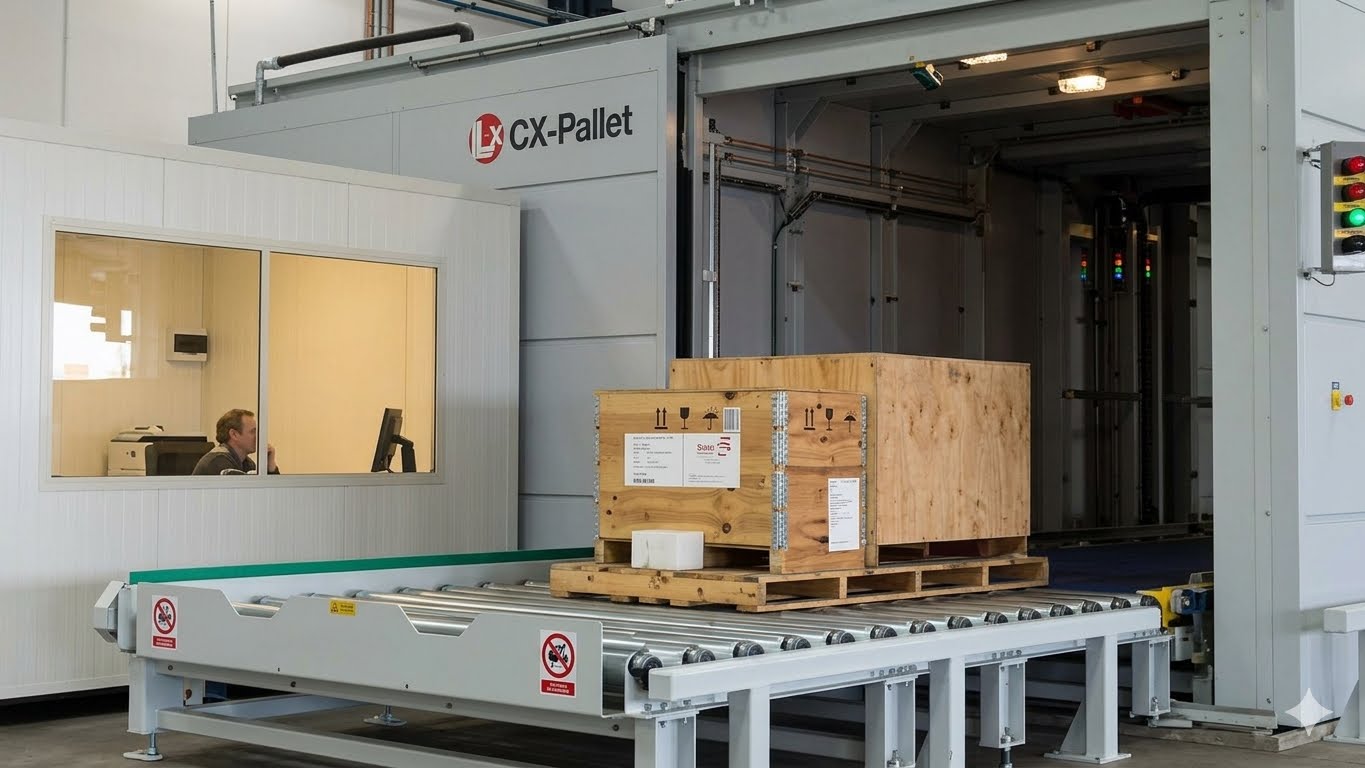
The Nigeria Customs Service is preparing to deploy non-intrusive cargo scanners at the Nnamdi Azikiwe International Airport, Abuja. The scanners have been installed at the Skyway Aviation Handling Company and Nigerian Aviation Handling Company warehouses, while Customs officers completed specialised image-analysis training in June.
The scanners are expected to help detect prohibited and undeclared goods while reducing reliance on physical examination.
The two initiatives target different stages of the cargo process: PLACI focuses on information and risk assessment before loading, while scanners provide physical screening at the airport.
Together, they signal Nigeria’s gradual shift towards technology-driven cargo security.
However, the success of the PLACI system will depend on effective coordination among the NCAA, airlines, cargo handlers, security agencies and technology providers, as well as the ability to share accurate information across the different systems.

Ogochukwu Onwaeze is a writer specializing in business and economic journalism. At THEWILL News Media, she translates market trends, financial developments, and policy shifts into clear and engaging stories.