
-
Odinkalu alleges former CJN Olukayode Ariwola received a Mercedes-Benz from Nyesom Wike while Rivers-related cases were pending before the courts, describing it as a dangerous conflict of interest.
-
Rights advocate claims political patronage has replaced judicial restraint, alleging senior judges now openly accept appointments, gifts and privileges from serving politicians.
-
Legal scholar traces the alleged decline in judicial independence to the “Lagos model” of executive-sponsored housing and vehicles for judges, which he says later spread nationwide.
-
He contrasts the current culture with the 1993 Supreme Court defamation suit, when justices went to court to defend their integrity against allegations of receiving cars from the Babangida regime.
August 10, (THEWILL) — Professor Chidi Anselm Odinkalu, Human rights lawyer and constitutional scholar, has reignited a national debate on judicial independence after making a series of explosive allegations against some of Nigeria’s most senior judicial officers, claiming that growing political patronage has severely weakened the credibility and independence of the country’s judiciary.
Speaking during an interview on Nigeria Info and expanding on arguments contained in an earlier article on the state of the judiciary, Odinkalu alleged that the close relationship between influential politicians and senior judges has become so entrenched that conduct once considered scandalous is now openly embraced.
According to him, the consequence is a judiciary increasingly viewed by the public as vulnerable to political influence rather than insulated from it.

Odinkalu Levels Fresh Allegations Against Wike, Former CJN
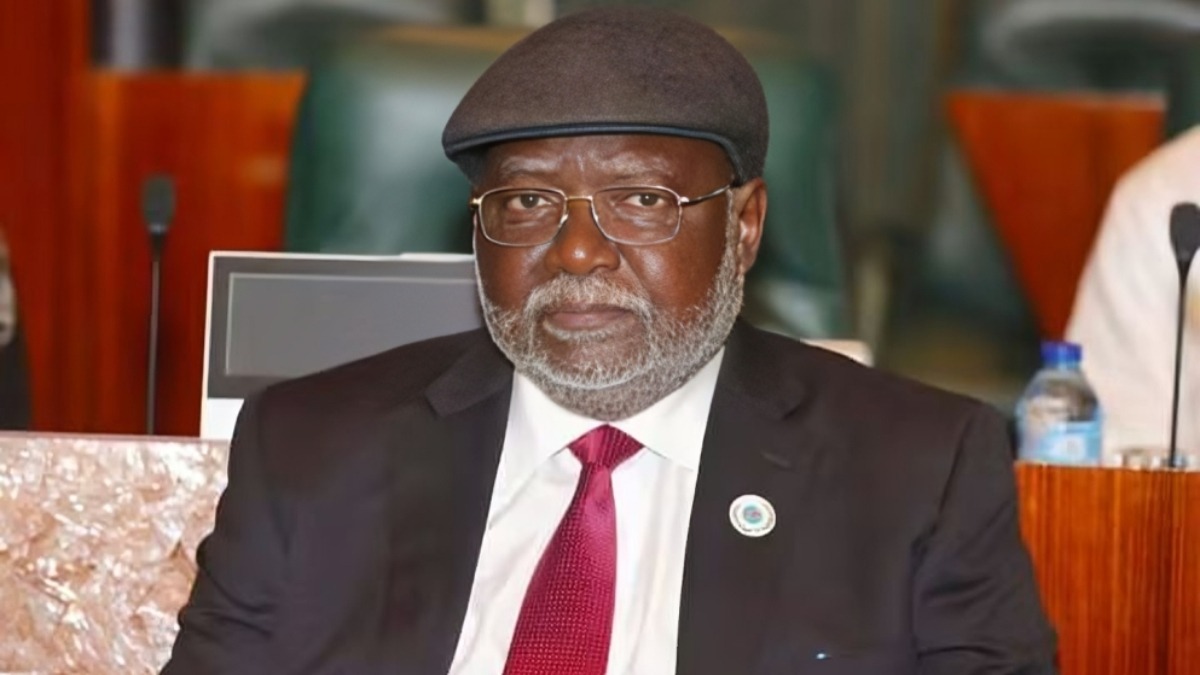
Among the strongest claims made during the interview was Odinkalu’s allegation that former Chief Justice of Nigeria, Olukayode Ariwola, accepted a Mercedes-Benz vehicle from former Rivers State Governor and current Minister of the Federal Capital Territory, Nyesom Wike, while Rivers State had matters pending before the courts.
“I’m going to go on record on this. As Chief Justice of Nigeria, Olukayode Ariwola collected a Mercedes-Benz car from Nyesom Wike, who was governor of Rivers State and who had cases before the courts”, Odinkalu alleged.
Although he did not identify the specific litigation, Odinkalu argued that the issue goes beyond whether any judicial decision was influenced.
According to him, the mere acceptance of gifts from a serving governor, whose administration regularly appeared before the courts, creates a perception of compromised independence and damages public confidence in the judiciary.
READ ALSO: A Judge on the Dock
He further alleged that the relationship between politicians and senior judges has become increasingly open, pointing to what he described as the acceptance by the President of the Court of Appeal of an appointment by Wike as Chairman of the IBB Golf Club in Abuja.
For Odinkalu, such appointments represent a departure from the traditions of judicial restraint that once defined the Nigerian Bench.
“That would not have happened a generation ago. When you do that, you remove the perception of credible adjudication or independent adjudication”, he said.
He argued that judges are expected not only to be impartial but also to avoid situations capable of creating a public perception that their independence could be compromised.
“The ways that some of the senior-most people in the judiciary have dragged the judiciary down is beyond disreputable”, he added.
How the ‘Lagos Model’ Allegedly Changed Judicial Welfare
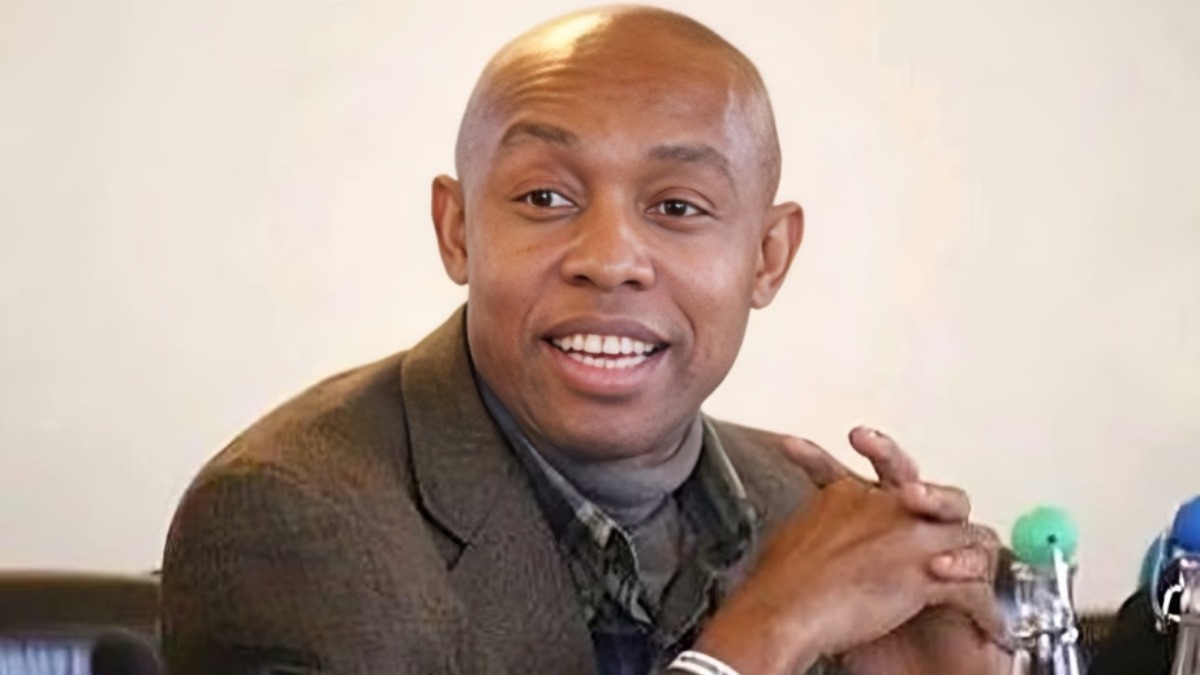
Odinkalu devoted considerable attention to what he described as the origin of the current culture of executive patronage. According to him, the model began in Lagos during the tenure of President Bola Tinubu as governor.
He alleged that newly appointed judges in Lagos were offered government-built houses in some of the state’s most exclusive neighbourhoods, including Ikoyi, Victoria Island, Lekki Phase I and Ikeja GRA.
Rather than allowing the judiciary to independently administer welfare through its own budget, he claimed the executive determined the allocation of the houses and supervised their construction.
Odinkalu further alleged that the practice later extended beyond Lagos State judges to senior judges of federal courts posted to the Lagos Judicial Division, including the Federal High Court and the Court of Appeal.
According to him, because virtually every federal superior court has a Lagos division, many senior judicial officers also benefited from similar arrangements.
READ ALSO: Tinubu Swears In Justice Kekere-Ekun As Substantive CJN
He argued that the practice gradually institutionalised executive influence over judicial welfare.
Drawing from his earlier article, Odinkalu contended that the culture became more visible in October 2007 when then Lagos State Governor, Babatunde Raji Fashola, publicly presented 18 official vehicles to magistrates.
While acknowledging that improving judges’ welfare is a legitimate responsibility of government, he argued that public presentation of such benefits by governors fundamentally altered the relationship between the executive and the judiciary.
According to him, the same objective could have been achieved by adequately funding the Judicial Service Commission and allowing the judiciary itself to procure official vehicles and housing without direct political involvement.
He argued that executive control over such welfare programmes inevitably creates public suspicion regarding judicial independence.
Odinkalu further referenced comments made in 2024 by retired Supreme Court Justice, Ejembi Eko, who criticised what he described as the mismanagement of judicial budgets by heads of courts despite their control of substantial public resources.
According to Odinkalu, those remarks reinforced his argument that the judiciary already has budgetary provisions capable of funding judges’ welfare without dependence on politicians.
1993: When Supreme Court Justices Fought Back
To demonstrate how dramatically judicial culture has changed, Odinkalu revisited one of the most remarkable episodes in Nigeria’s legal history.
He recalled that in December 1992, African Concord magazine alleged that the military administration of former Head of State, Ibrahim Babangida, had presented Mercedes-Benz cars to Supreme Court justices led by then Chief Justice of Nigeria, Mohammed Bello.
Rather than dismiss the report, nine Supreme Court justices, including Bello, instructed the late legal icon, F. R. A. Williams, to institute a defamation action against the Concord Group, African Concord magazine and its editor, Bayo Onanuga.
The defendants were represented by the late human rights lawyer, Gani Fawehinmi, in proceedings that became one of the most closely watched legal battles of the era.
The case was eventually resolved after newspaper proprietor, late Moshood Abiola, apologised to the justices, leading to the withdrawal of the suit, while Onanuga resigned as editor of African Concord.
For Odinkalu, that episode illustrated a period when judges regarded allegations of accepting gifts from political leaders as sufficiently damaging to warrant legal action in defence of the institution.
He contrasted that era with what he described as today’s environment, where politicians openly provide vehicles, houses and other benefits to judges without provoking comparable institutional outrage.
Odinkalu maintained that while judges deserve decent welfare and adequate working conditions, such benefits must come through transparent constitutional budgetary processes administered by the judiciary itself rather than directly from elected political office holders.
He warned that unless the perceived closeness between politicians and judicial officers is addressed, Nigerians will continue to question the impartiality of court decisions in politically sensitive disputes.
As of the time of filing this report, neither former Chief Justice Olukayode Ariwola, the Minister of the Federal Capital Territory, Nyesom Wike, nor the President of the Court of Appeal had publicly responded to the allegations. THEWILL has not independently verified the claims, which remain allegations made by Professor Chidi Odinkalu during his interview.

Felix Ifijeh is a journalist with years of professional reporting experience. Known for his keen news sense, compelling storytelling and commitment to accurate, impactful reporting, he has built a reputation for turning leads into clear, engaging, and well-structured reports that resonate with readers. His work reflects deep newsroom experience and a commitment to accurate, impactful journalism.
