-
Nigeria’s Awaji-Inombek Abiante backs a phased launch of the ECO in 2027, with countries that meet the economic benchmarks going first.
-
ECOWAS lawmakers will scrutinise the 2027 regional budget, as levy arrears and rising public debt are putting pressure on funding.
-
Ghana’s Emmanuel Kwasi Bedzrah calls for citizens to elect ECOWAS parliamentarians directly.
-
ECOWAS Court President Charlyne Brumskine urges lawmakers to press their governments to enforce the court’s binding judgements.
November 28 (THEWILL) – The ECOWAS Parliament opened its second ordinary session of 2026 in Abuja on Friday, November 27, with an immediate test of its oversight: examining which countries are ready to adopt West Africa’s proposed single currency as the bloc targets a 2027 launch. Lawmakers will also scrutinise a regional budget under pressure from unpaid levies, while calls for direct elections to the Parliament and enforcement of regional court judgements put the bloc’s accountability to citizens in focus.
Nigerian lawmaker Awaji-Inombek Abiante told THEWILL that Parliament would examine how member states were performing against the economic requirements for joining the ECO. He backed a phased launch, saying countries that meet the requirements should be allowed to proceed.
“Parliament will look at the various challenges, the requirements for convergence, and the performance of the countries. And we may not really need to wait for everybody to be ready,” Abiante said.
Asked when the currency could come into use, he acknowledged that the bloc had missed earlier targets.
“There have been several projections that have failed, but we are believing that looking at 2027, that it should be able to take off,” he said.
For Nigeria, the immediate question in this test is whether it will be among the first countries to adopt the ECO. Abiante did not identify any prospective participants, and the ECOWAS Commission’s November 23 update on preparations did not name the countries expected to join in the first phase.

Who qualifies to join the ECO?
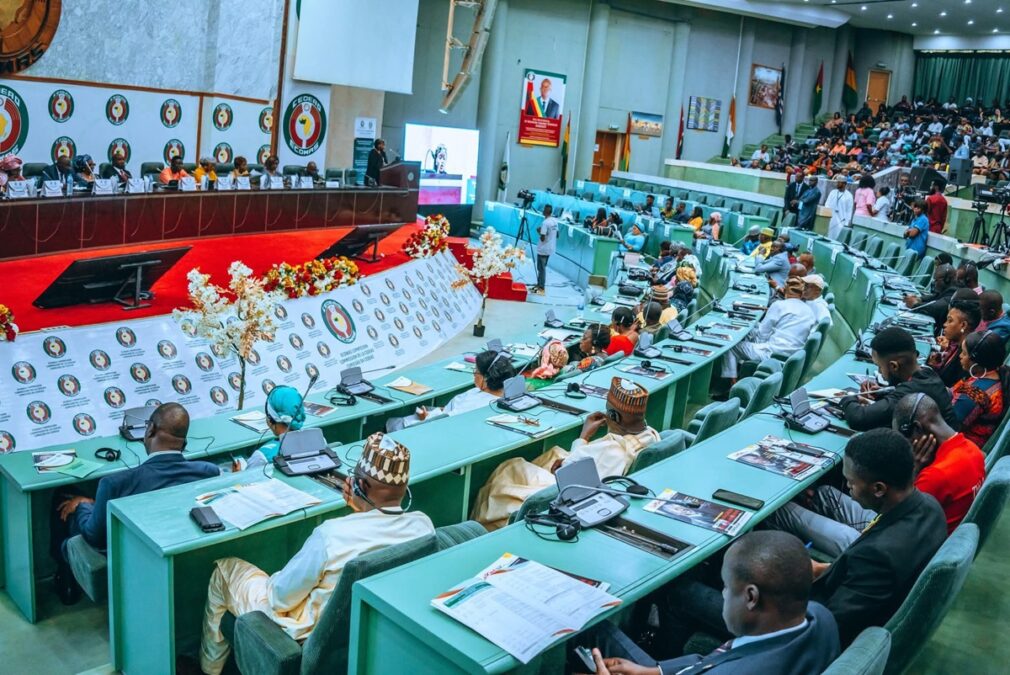
ECOWAS heads of state agreed in July in Lungi, Sierra Leone, that the launch would begin with countries that meet the economic benchmarks and are ready to participate. They pledged support to help other members join later. Ghanaian President John Dramani Mahama backed the approach in November, saying the number of countries meeting the requirements had fluctuated over the years.
The framework established by the West African Monetary Agency sets ceilings of 5 per cent for average annual inflation and 3 per cent of gross domestic product for the overall budget deficit. It also limits central bank financing of government deficits and requires foreign reserves sufficient to cover at least three months of imports.
The bloc had worked towards a 2020 timetable, which the monetary agency said was derailed by economic difficulties that were compounded by the COVID-19 pandemic. Regional leaders adopted a new roadmap in 2021, a major test giving members until the end of 2026 to work toward the benchmarks.
In September, the ECOWAS Convergence Council said a 2027 launch remained achievable and called for the presidential task force to meet to accelerate preparations.
Governance of the proposed currency is also under discussion. At a November 20 meeting in Abidjan, a ministerial committee considered where to locate the proposed Central Bank of West Africa, how it would be governed, and where to base parts of the regional payments and settlement system.
Central Bank of Nigeria Governor Olayemi Cardoso argued at the meeting that countries’ financial commitments and exposure to risk should be reflected in how decisions are made. The Commission said the committee’s conclusions would go to the presidential task force for consideration.
Levy arrears put pressure on the 2027 budget
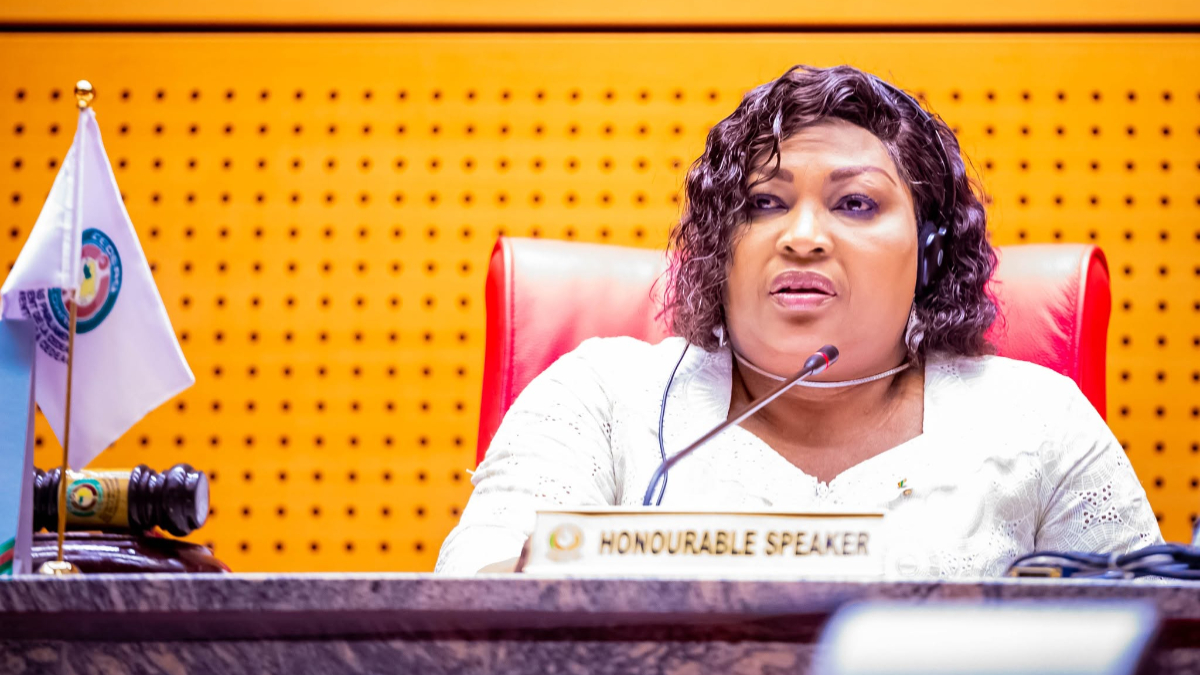
Lawmakers will also review country reports and findings from oversight missions, including on the regional goods-in-transit system and the ECOWAS mission in The Gambia.
Ibrahima warned that mounting public debt and pressure on national finances could make it harder for member states to remit the Community Levy, which funds ECOWAS programmes and institutions. At their July summit, regional leaders had already raised concerns over persistent arrears and urged governments to meet their obligations, a major test that remains unresolved.
“Our responsibility is to ensure that every allocation addresses a clearly established need,” Ibrahima said. She urged national parliaments to press their governments to collect and regularly remit the levy.
Ibrahima also pointed to the Lungi Declaration, which she said reaffirmed regional leaders’ commitment to strengthening the Parliament’s legislative and oversight functions.
“Our credibility will ultimately be measured by the quality of our recommendations, the effectiveness of our oversight, and our ability to significantly influence the direction of policies and strategies aimed at improving the living conditions of our populations,” she said.
Bedzrah calls for direct elections
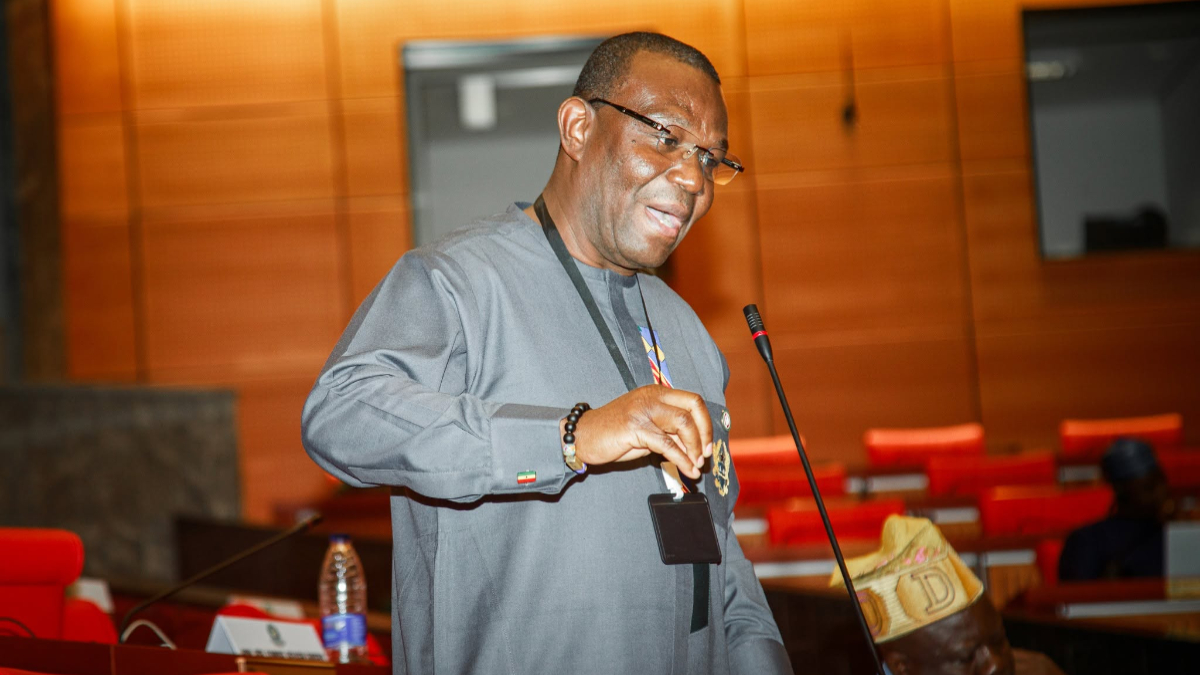
Under the current arrangement, national parliaments send delegations to the regional chamber. Bedzrah said the arrangement leaves members dividing their time between two legislatures.
“We’ve been talking about the ECOWAS of the people for the past 25 years, and we need to take steps to make sure that it becomes a reality,” he said.
“Sometimes it takes the breath out of us because you are torn between working in the National House and at ECOWAS Parliament,” Bedzrah added.
Court president presses for enforcement
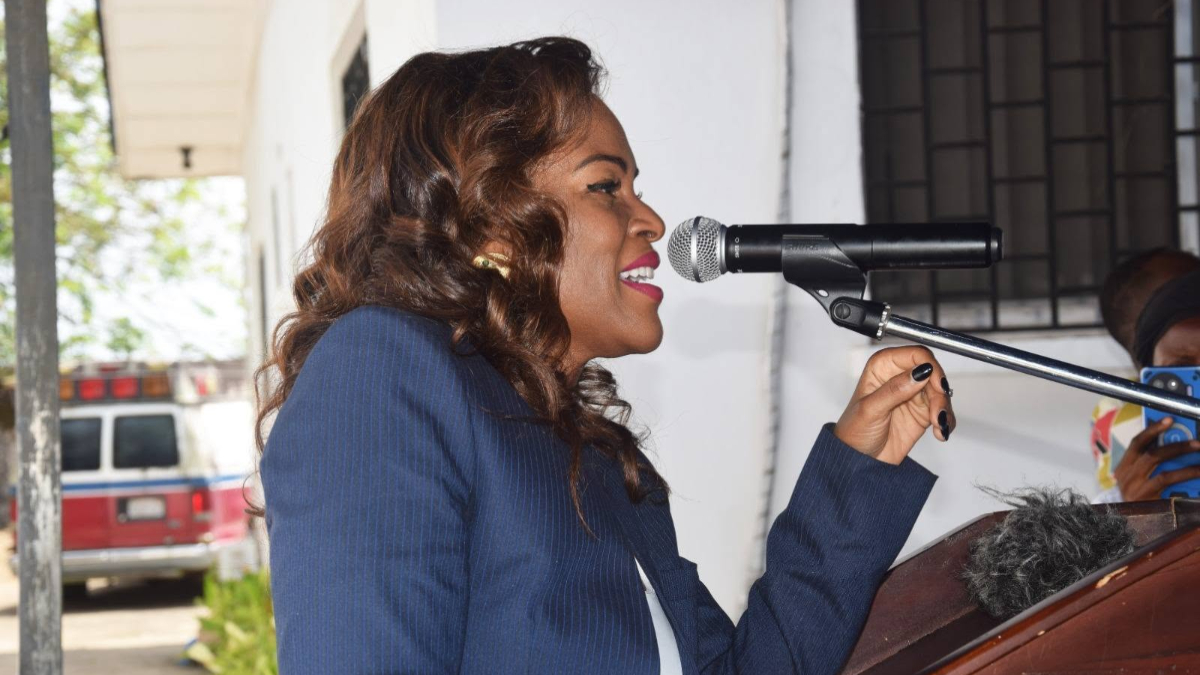
“A judgement that is not complied with is a legal and sometimes a human right that is denied twice: first by the original violation, and again by the failure to give effect to the remedy,” Brumskine said.
The court’s decisions are binding, with enforcement handled by member states. Under the court’s 2005 supplementary protocol, the registrar sends a writ of execution to the relevant country, where enforcement proceeds under national civil procedure. Governments are required to designate an authority to handle the process and notify the court.
For the ECO, the real test has begun, as regional leaders directed the Commission in July to convene the presidential task force before the December summit. The task force is expected to consider the outstanding proposals on how the currency will operate. Which countries will use it first, and when their businesses and households will make the switch, remain open questions.
Segun Adeyemi serves as the Associate Editor of THEWILL Newspaper, leveraging more than ten years of editorial expertise and a proven track record in mainstream journalism.