
-
Nigeria’s equity market lost ₦3.28 trillion on November 5 as the All-Share Index fell 1.98%.
-
Dangote Cement’s 10% share-price decline wiped approximately ₦2.5 trillion off its market valuation.
-
Industrial stocks recorded the steepest sectoral losses, with 36 equities declining against 20 gainers.
-
Despite Thursday’s selloff, the NGX retained a year-to-date gain of 60.47%.
November 06, (THEWILL) – Dangote Cement accounted for approximately 76% of the ₦3.28 trillion Nigeria’s stock market lost on Thursday, exposing how heavily the exchange’s valuation depends on the fortunes of its largest companies.
Shares in the cement producer fell 10% from ₦1,490 to ₦1,341 during the November 5 trading session. Applying the ₦149 price decline to its approximately 16.75 billion outstanding shares puts the reduction in its market valuation at ₦2.5 trillion.
Across the Nigerian Exchange (NGX), market capitalisation dropped from ₦165.42 trillion to ₦162.13 trillion, while the All-Share Index shed 5,052.22 points to close at 249,710.59.

Thursday’s selloff interrupted two consecutive sessions of gains and followed fresh findings that just ten listed companies controlled more than 73% of the exchange’s total equity value.
How Small Pool Of Shares Can Move Trillions
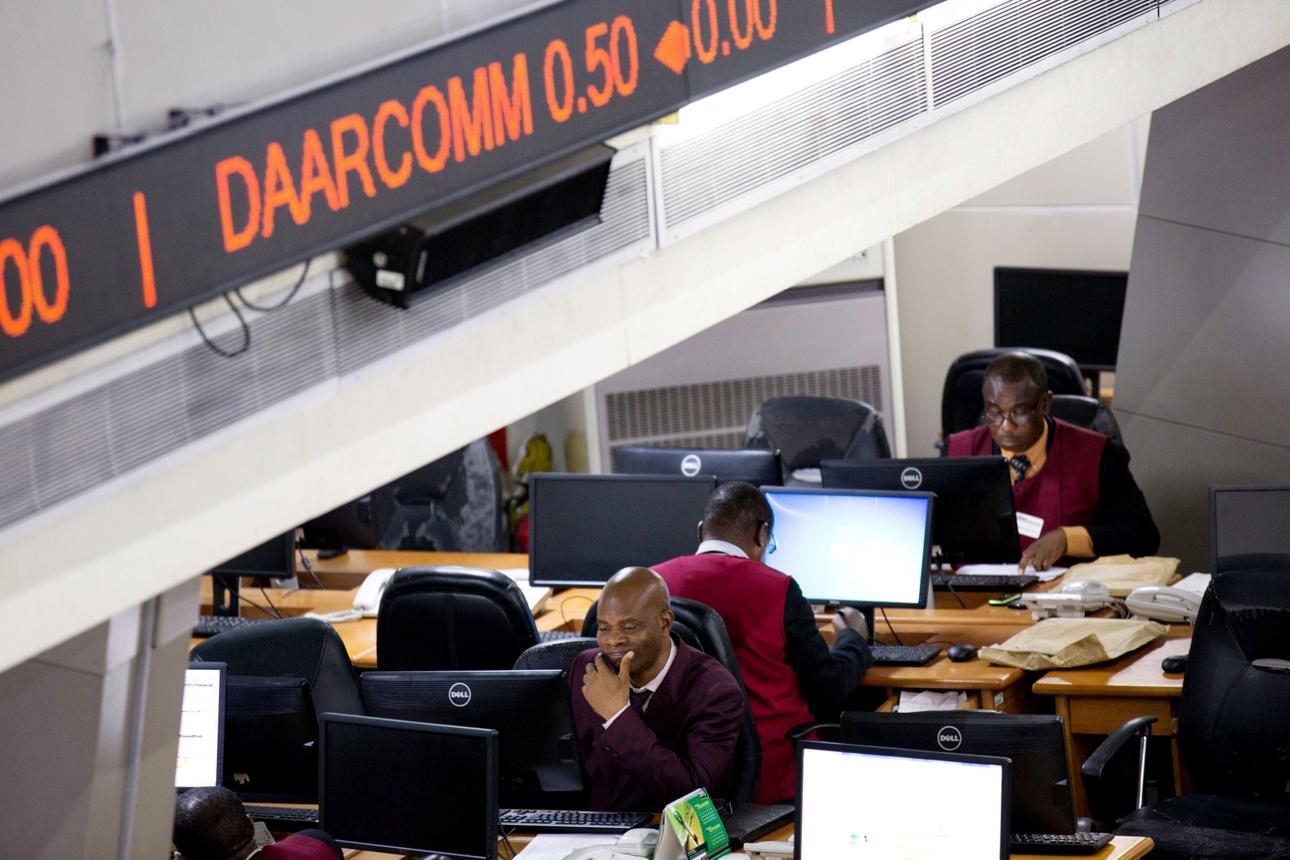
Other major companies also lost value. Presco declined 10% to ₦1,656.80, UAC of Nigeria shed 7.85%, while First HoldCo fell 2.40%.
Industrial stocks suffered the largest sectoral decline, with the NGX Industrial Goods Index dropping 7.14%. Insurance and banking equities followed with losses of 2.51% and 0.66%, respectively.
Dangote Cement’s size made its price movement especially consequential. Its ₦149 share-price decline reduced the market’s valuation of the company by nearly ₦2.5 trillion, although that figure does not represent cash investors withdrew from the exchange.
A stock exchange calculates a company’s market capitalisation by multiplying its share price by the number of outstanding shares. Consequently, trading in a relatively small portion of those shares can change the valuation of the entire company.
Dangote Cement’s June 2026 financial statements placed its free float at approximately 5.73% of issued shares, excluding treasury shares. Its concentrated ownership structure means a comparatively small pool of publicly tradable shares helps determine the quoted value of a business worth trillions of naira.
Investors should also consider the company’s operating performance before interpreting Thursday’s decline as evidence of financial weakness.
Dangote Cement reported ₦974.8 billion in profit after tax for the first nine months of 2026, alongside operating cash flow of approximately ₦1.8 trillion. Those results show a profitable business, although strong earnings do not prevent investors from selling shares when valuations, market conditions or investment priorities change.
READ ALSO:
Nigeria’s Market Rally Faces Concentration Test
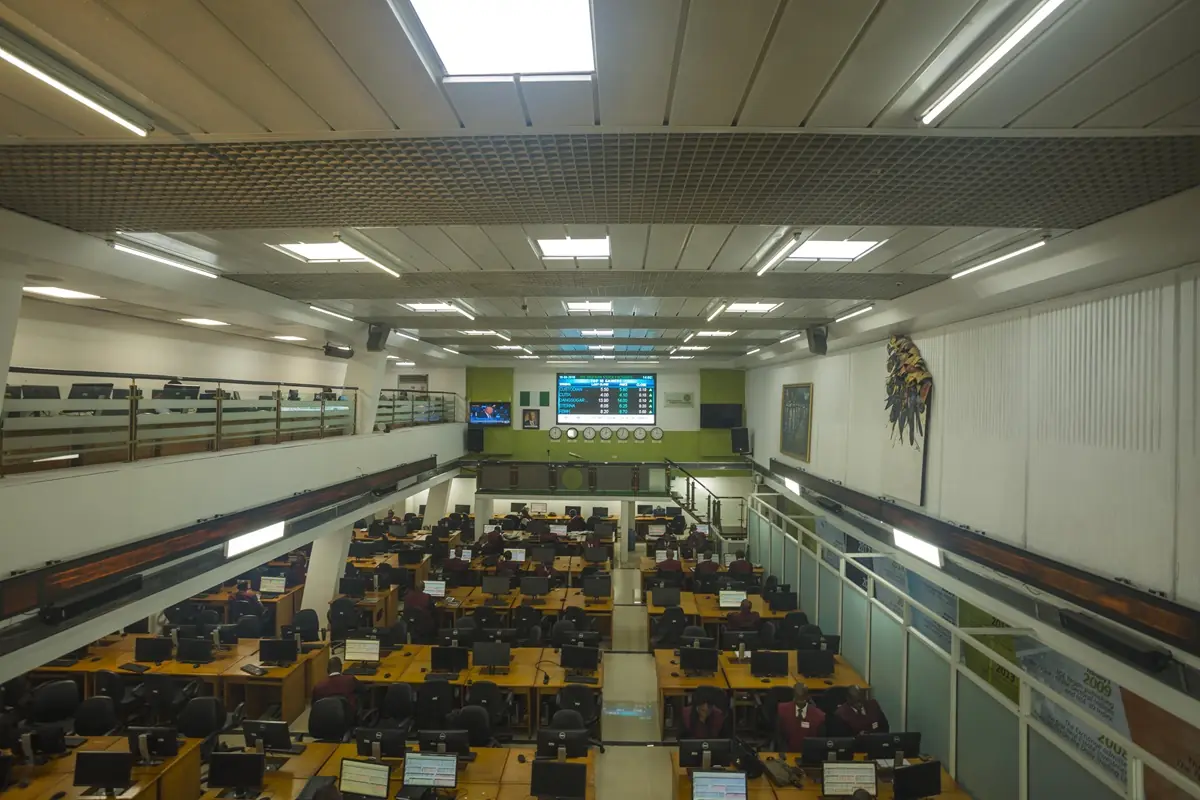
Despite Thursday’s losses, Nigerian equities remain substantially higher than at the beginning of 2026.
Proshare Research puts the exchange’s year-to-date gain at 60.47% after the November 5 decline, leaving much of the year’s rally intact.
Investors traded approximately 856.24 million shares worth ₦74.06 billion during the session. Declining equities outnumbered gainers 36 to 20, although several companies resisted the broader sell-off.
CWG gained 9.94%, Abbey Mortgage Bank advanced 9.84%, Honeywell Flour Mills rose 9.82%, and Transcorp Power added 8.18%.
Those advances could not compensate for the losses among larger companies, particularly Dangote Cement.
An earlier analysis of NGX data showed that ten companies accounted for ₦121.04 trillion, or 73.32%, of the exchange’s ₦165.08 trillion valuation as of November 2. Dangote Cement, Airtel Africa and MTN Nigeria alone represented more than 40% of that total.
Such concentration gives the largest companies considerable influence over aggregate market performance. Investors holding different combinations of shares can therefore experience gains or losses that bear little resemblance to the movement of the overall market.
Individual index movements also depend on each benchmark’s weighting rules, so market-capitalisation shares should not automatically be treated as exact index weights.
Thursday’s trading provided a particularly revealing example. Dangote Cement accounted for approximately three-quarters of the exchange’s lost market value, while price changes across other listed companies produced the remaining net decline.
Nigeria’s equity market has delivered substantial returns this year, but its latest selloff demonstrates how quickly changes in the valuation of one dominant company can reshape the market’s overall performance.
However, for investors assessing the strength of that rally, the performance of smaller companies, trading liquidity and the spread of gains across sectors deserve as much attention as the headline index.

Joy Onuorah is a business journalist and brand communications specialist covering financial markets, artificial intelligence, digital economy, and the ideas reshaping business across Africa and the global market. Beyond her reporting for TheWill, Joy uses brand strategy, storytelling, copywriting, and high-value SEO to help brands build lasting market authority.
