
-
Dangote has acquired 24.76% of Kenya Pipeline Company, worth about KSh42.5 billion.
-
The investment follows plans for a $16 billion refinery in Lamu.
-
KPC operates 1,342 kilometres of pipeline across Kenya’s fuel-distribution network.
-
The stake strengthens Dangote’s logistics position but does not guarantee cheaper fuel.
October 22, (THEWILL) – Aliko Dangote is extending his East African energy push beyond refining into the infrastructure that moves petroleum products.
Speaking at the Financial Times Africa Summit in London, Dangote said his company had acquired about 25% of Kenya Pipeline Company.
Kenyan transaction records put the stake more precisely at 24.76%, involving roughly 4.5 billion shares worth about KSh42.5 billion.

The size of the holding is also notable because it sits just below Kenya’s 25% threshold that would have triggered additional takeover-approval requirements, according to local market reporting.
Pipeline Stake Fits Bigger Kenya Strategy
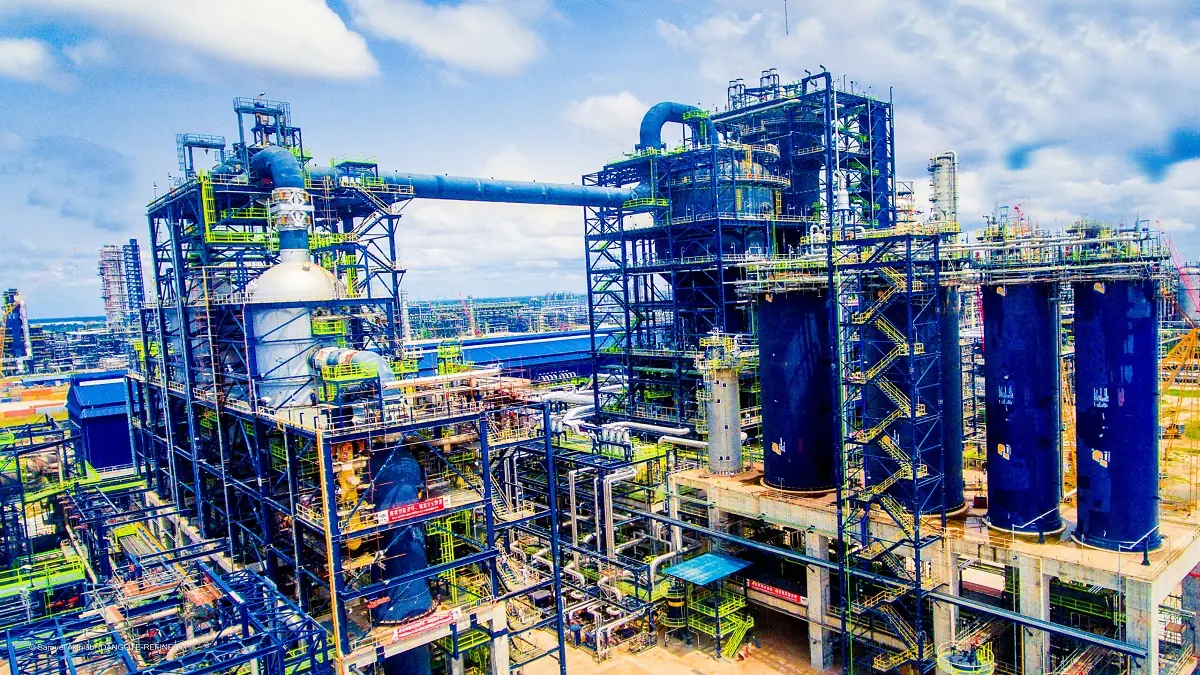
The acquisition comes weeks after Dangote broke ground on a planned $16 billion refinery in Lamu, designed to process about 700,000 barrels of crude per day when completed.
Scheduled for completion in 2030, the refinery is intended to serve Kenya and other East African markets.
Dangote has also offered regional governments a combined 30% stake in the project and disclosed plans for supporting pipeline infrastructure.
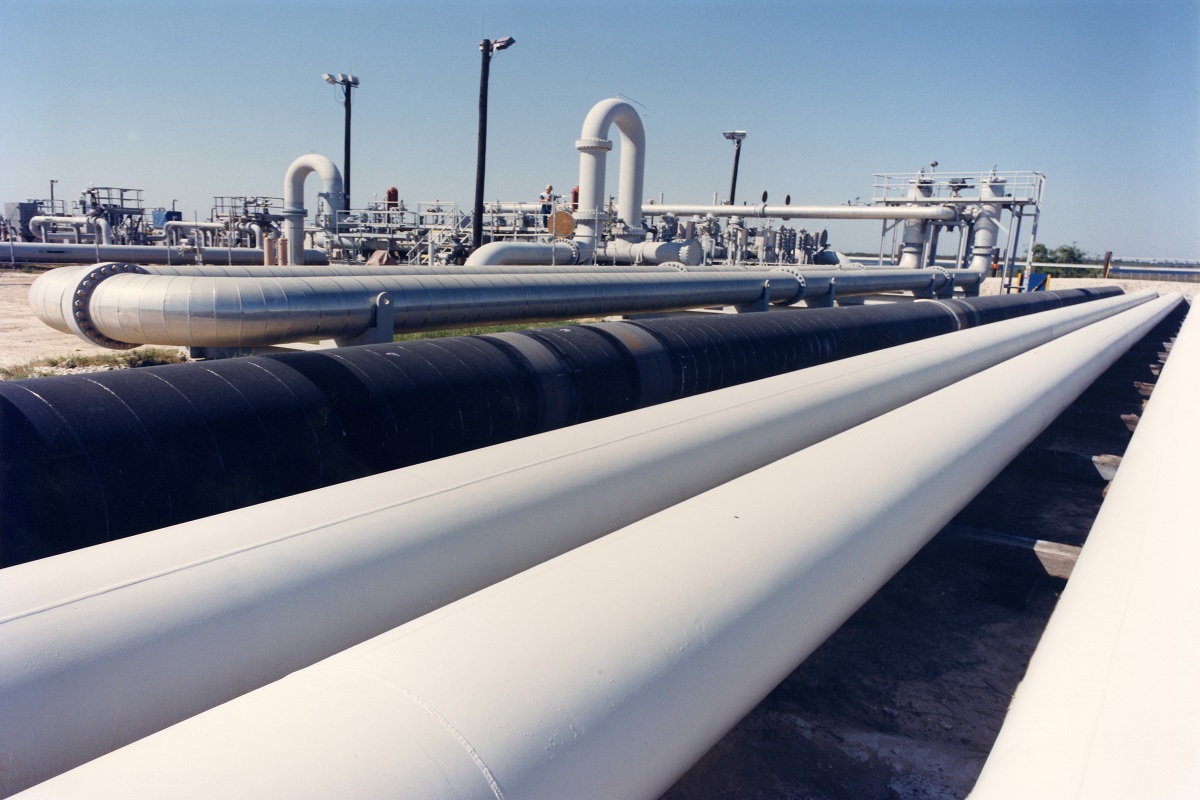
KPC already operates about 1,342 kilometres of pipeline, alongside storage, pumping and loading facilities capable of handling roughly 14 billion litres of petroleum products annually.
Its network moves refined fuel from Mombasa into inland Kenya and supports supply to neighbouring markets.
Owning nearly a quarter of that business gives Dangote exposure to an established distribution network alongside his planned refinery investment.
READ ALSO:
Lamu Is Not Automatically Connected To KPC
The acquisition does not mean the future Lamu refinery now has a direct route into KPC’s existing network.
KPC’s current pipeline system is centred on Mombasa, while Dangote’s refinery is being developed in Lamu. Any physical connection would still require infrastructure, commercial agreements and regulatory approvals.
KPC itself is planning additional pipelines, including a new eastern route between Mombasa and Nairobi and an Eldoret-Malaba line intended to strengthen regional distribution.
Dangote has separately discussed pipelines linked to the Lamu refinery, leaving open the possibility that new infrastructure could eventually connect with existing networks.
Dangote Is Also Buying Into Profitable Business
KPC reported KSh11.58 billion in net profit for the year ended June 2026, up 13%, and distributed about KSh5.81 billion in dividends.
Based on its proposed payout, Business Daily estimates Dangote’s 24.76% holding could attract about KSh1.44 billion in dividends.
The deal also comes only months after KPC listed on the Nairobi Securities Exchange. Several state-backed institutions that had acquired large positions in the IPO subsequently sold shares that form part of Dangote’s stake.
The acquisition therefore offers both strategic access to fuel-distribution infrastructure and exposure to an already profitable company.
Pipeline Ownership Does Not Guarantee Cheaper Fuel
Dangote has argued that the planned Lamu refinery could reduce East Africa’s dependence on imported refined petroleum and save foreign exchange, but neither the refinery nor the KPC investment guarantees lower pump prices.
Fuel prices still depend on crude costs, taxes, exchange rates, financing, storage, wholesale margins and regulated pipeline tariffs.
KPC’s tariffs are subject to approval by Kenya’s Energy and Petroleum Regulatory Authority, meaning even a large shareholder cannot independently determine transportation charges.
Any effect on consumer prices will, therefore, depend on future operating costs, tariffs and actual market conditions rather than ownership alone.
Dangote Is Building Beyond Refinery Gate
Taken together, the Lamu refinery and KPC acquisition show Dangote building a broader East African energy position that covers both production and distribution.
The refinery remains years from completion, while its eventual connection to Kenya’s existing pipeline system is still unresolved. However, acquiring 24.76% of KPC gives Dangote a substantial position in the infrastructure that already moves petroleum across one of the region’s largest markets.
His East African expansion is no longer only about refining fuel. It is increasingly about how that fuel reaches the market.

Joy Onuorah is a business journalist and brand communications specialist covering financial markets, artificial intelligence, digital economy, and the ideas reshaping business across Africa and the global market. Beyond her reporting for TheWill, Joy uses brand strategy, storytelling, copywriting, and high-value SEO to help brands build lasting market authority.
