
-
Cement prices have crossed ₦15,000 per 50kg bag in some locations, with operators divided over whether scarcity or rising costs are driving the increase.
-
Builders warn that higher cement prices are pushing up construction costs, property values and rents, making home ownership harder for Nigerians.
-
Industry operators want the FCCPC to publish its cement pricing investigation and encourage greater competition and transparency.
August 27, (THEWILL) — Cement price volatility is putting fresh pressure on Nigeria’s housing market, with construction industry operators warning that sustained increases could make home ownership even more difficult for households already facing high living costs.
The warning follows the recent increase in the price of a 50kg bag of Dangote Cement to more than ₦15,000 in some locations, despite an ongoing investigation by the Federal Competition and Consumer Protection Commission (FCCPC) into pricing practices in the industry.
Scarcity Or Rising Production Costs?

The latest price spike has produced different explanations within the construction industry. Chairman of the Lagos Chamber of Commerce and Industry’s Engineering and Construction Group, Soji Adeniji, attributed it mainly to temporary scarcity rather than an official price increase by manufacturers.

According to him, recent plant maintenance by Dangote Cement and access restrictions affecting some depots reduced supply in parts of the market.
“The prices have not gone up. So what people experienced then was like a brief moment of scarcity”, he said, adding that prices should fall once products return to the market in sufficient quantities.
Adeniji said he had not received any official notification from Dangote Cement announcing a new price and described some of the prevailing prices as “artificial”, driven by distributors increasing margins because of limited supply.
Energy, Forex And Logistics Add Pressure

The Public Relations Secretary of the Nigerian Institute of Quantity Surveyors, John Agbezin, however, pointed to several underlying costs affecting cement production and distribution.
He cited diesel, gas, imported inputs, foreign exchange, poor roads, insecurity and multiple taxes as factors feeding into the final price.
Although cement is produced locally, some inputs remain exposed to foreign exchange movements. Agbezin also said insecurity could force truck operators to take longer routes, adding as much as ₦3,000 to the cost of a bag in some cases.
At the same time, strong demand from major infrastructure projects is putting additional pressure on available supplies.
Why The Increase Matters For Housing
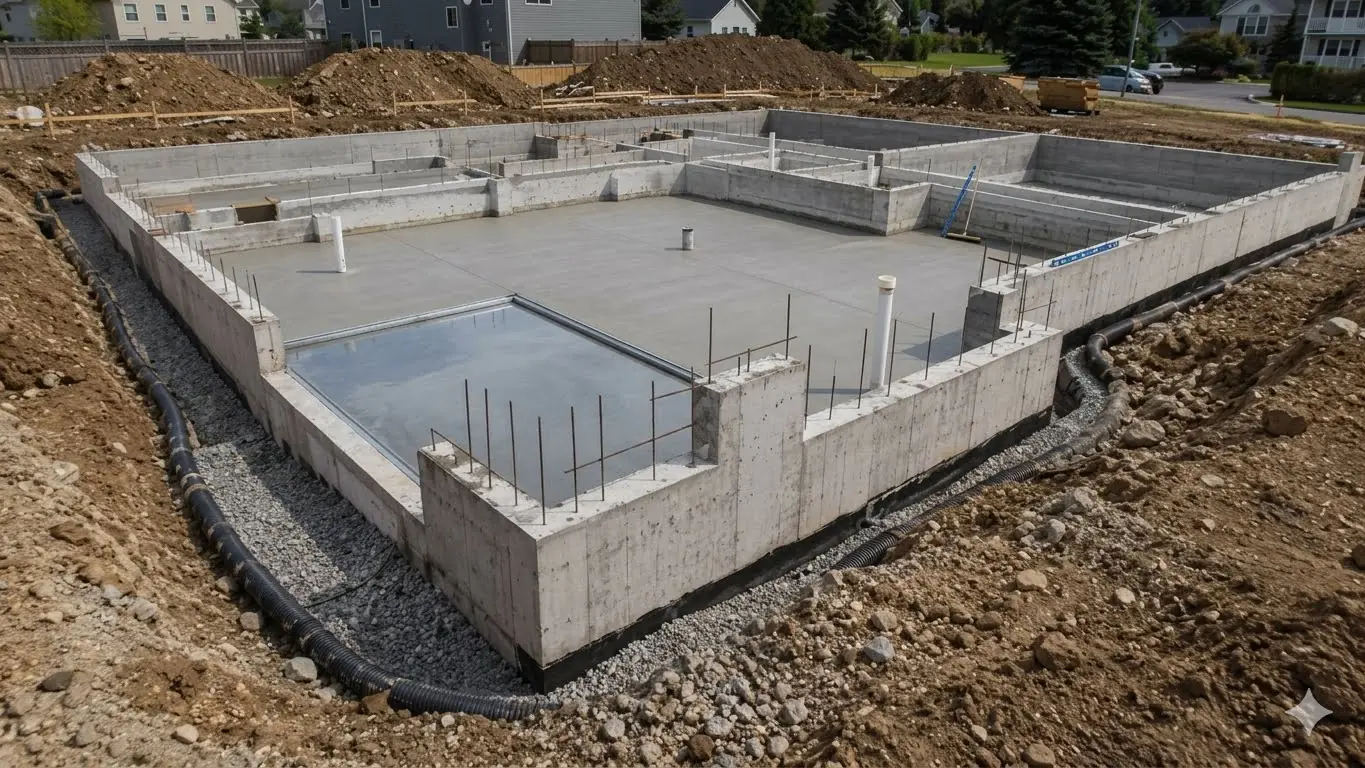
For prospective homeowners, cement is a basic construction input used in foundations, blocks, columns, slabs and other structural work. Higher and unpredictable prices therefore make it harder for developers to estimate project costs.
Architect and Principal Partner at Space Button Architecture Limited, Amusan Oluseyi, said the impact was already spreading beyond construction costs to property values and rents.
He questioned why cement prices should rise sharply when Nigeria has large limestone deposits and an estimated annual production capacity of 60–65 million metric tonnes, against consumption of about 25–30 million tonnes.
READ ALSO:
FCCPC Urged To Publish Findings

The operators want the FCCPC to conclude and publish its investigation into the cement market.
Agbezin said the regulator should sanction cartels if its investigation establishes evidence of anti-competitive practices and called for greater transparency between factory and retail prices.
He also urged the government to encourage more competition by supporting additional cement producers and alternative building technologies.
Ultimately, whether the latest increase is caused by temporary scarcity or higher production and distribution costs, unpredictable cement prices make construction more expensive and could deepen Nigeria’s housing affordability problem by pushing up the cost of buying, building and renting homes.

Ogochukwu Onwaeze is a writer specializing in business and economic journalism. At THEWILL News Media, she translates market trends, financial developments, and policy shifts into clear and engaging stories.